Kitchen & Dining · Gadgets
Best Butchers Twine for Meat, Baking & Crafts
Compare top butchers twine for roasting, trussing, and baking. Find food-safe cotton options from 476–700 feet.
Affiliate disclosure: As an Amazon Associate I earn from qualifying purchases.
At a glance
1
Best Overall ValuePh Perkhomy
2
Best for Professional KitchensRegency Wraps
3
Best for Heat RetentionXkdous
5
Best Budget Large VolumeSmart&Casual
Detailed reviews
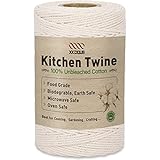
PerkHomy's cotton twine hits the sweet spot for most home cooks. At 2mm thick and 500 feet per roll, it's substantial enough to handle large roasts and whole turkeys, yet fine enough for delicate tasks like tying herb bundles or wrapping parchment around loaves. The natural, unbleached cotton is genuinely food-safe and won't leach color or flavor into meat during long roasts. Owners consistently praise the strength; knots hold tight without the twine slipping, and it resists fraying even when pulled snug around bone and fat. The roll unwinds smoothly without tangling, which saves frustration in the kitchen.
What stands out is the sheer versatility owners report. Beyond cooking, reviewers use it for gardening, gift wrapping, macramé, and hanging decorations. The biodegradable nature appeals to environmentally conscious cooks. One owner noted it's heat-resistant enough to stay in the oven during roasting without any degradation. The only caveat is that natural cotton fibers can shed lint if the twine isn't oiled before use on bread or baked goods, though a light oil coating solves this easily.
Compared to the Regency Wraps option, which carries a small premium and heavier 16-ply construction, PerkHomy trades minimal thickness for greater value and flexibility in tying. For most home kitchens where you're not running a commercial operation, this is the logical first choice.
Pros
- 500 feet of food-safe, unbleached cotton
- Strong enough for whole turkeys and large roasts
- Holds knots securely without slipping
- Biodegradable and environmentally responsible
Cons
- Natural cotton can shed lint on bread if not oiled
- 2mm thickness may feel thin for very heavy-duty butcher work
Key features (5)
- 100% natural, unbleached food-grade cotton
- 2mm diameter, 500 feet per spool
- Heat-resistant and oven-safe to standard roasting temperatures
- Neat center-pull roll prevents tangling during use
- Suitable for cooking, crafts, gardening, and gift wrapping
Regency Wraps sits at the top of the market for a reason: this is what professional kitchens and serious home cooks reach for when they need uncompromising strength. The 16-ply construction is noticeably heavier than standard twine, which translates to confidence when trussing a 20-pound turkey or wrapping a crown roast of pork. The natural, unbleached cotton is food-safe and oven-reliable, and the company's decades-long track record (family-owned since 1985, used by top chefs worldwide) means the product has been tested in environments far more demanding than a home kitchen.
Owners report that this twine rarely breaks, even under significant tension, and knots stay put throughout hours-long roasts. The unbleached color looks authentic and fits the aesthetic of rustic cooking and presentation. Reviewers also appreciate the versatility; beyond cooking, gardeners use it for years to train tomato vines, and it's durable enough for bundling newspapers or supporting shrubs. One owner even uses it for crocheting, noting the lack of roughness or shedding. The cone-shaped spool design allows smooth unraveling, and some customers have gotten creative by threading the cone through a jar handle for convenient counter access.
The trade-off versus PerkHomy is thickness and handling: this is heavier twine that requires a stronger hand to tie tightly, which some cooks find fatiguing. It's also a step up in cost. Choose this if you're a frequent roaster, plan to pass the roll to the next generation, or want the peace of mind that comes with an industry-standard product.
Pros
- Heavy-duty 16-ply cotton construction resists breaking
- Trusted by professional chefs and restaurant kitchens
- 500 feet provides extended value and longevity
- Biodegradable and naturally durable for garden use
Cons
- Heavier ply count requires stronger hand strength to tie
- Premium positioning means higher per-roll cost than entry-level options
Key features (5)
- Chef-grade 16-ply natural cotton construction
- 2.4mm diameter, 500 feet per cone spool
- Oven-safe food-grade twine, flame-resistant but not flame-proof
- USA-made by family business operating since 1985
- Ideal for trussing poultry, forming roasts, tying rolled meats, and garden support
XKDOUS delivers solid performance for the cook who wants proof that the twine will endure a long roast. The 3-ply, 2mm construction is unbleached natural cotton (no chemical whitening, no suspicious coatings) and owners report that it holds up reliably at sustained temperatures of 350 to 400 degrees Fahrenheit for hours. One reviewer specifically tested it on a four-hour pork belly roll and confirmed that the twine didn't break, loosen, or show any degradation. That kind of empirical feedback from a home cook mirrors what you'd expect from a product designed with everyday oven use in mind.
The 476-foot roll is generous, and the price-to-length ratio is competitive. Owners appreciate the food-safe material and the absence of odor or weird texture. The knot-holding capability is strong; reviewers note confidence that the roll will stay secure during the entire cooking time. It's also been used successfully for sourdough baking and bread bundling, where twine appearance matters. One note: a few owners mention that the roll lacks a built-in cutter or dispenser box, so you'll need kitchen scissors or a knife on hand. Where this ranks versus the Vivifying option is mainly on thickness and reputation. XKDOUS is slightly heavier at 2mm, while Vivifying comes in at 1mm, making this choice better for large roasts that demand real gripping power.
Choose this if heat endurance and length are your top priorities and you prefer a mid-weight twine that doesn't require the hand strength of a heavier ply.
Pros
- Proven to hold through sustained roasting at 350–400°F
- 3-ply natural cotton without chemical bleaching
- 476 feet offers strong value for regular kitchen use
- Food-safe, odor-free, and comfortable to handle
Cons
- No built-in cutter or dispenser on the roll
- 2mm thickness may be too heavy for delicate bundling tasks
Key features (5)
- 3-ply twisted, 2mm diameter 100% natural cotton
- 476 feet per spool, approximately 145 meters
- High-temperature resistant for oven use, keep away from open flame
- Unbleached food-grade material with no odor or coatings
- Strong knot-holding and suitable for roasting, baking, and crafts
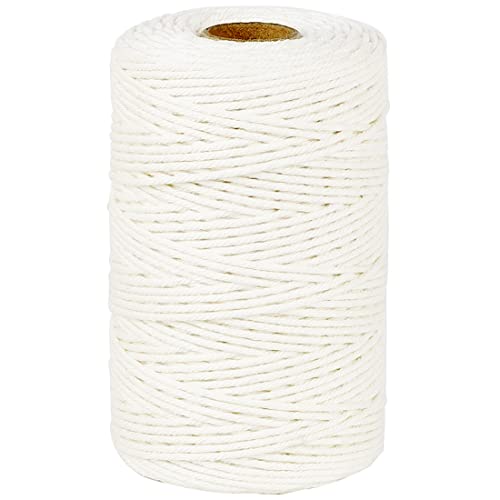
Vivifying's thinner 1mm profile makes it the go-to for bakers who want a clean aesthetic on artisan breads and pastries. The 656-foot roll is the longest in this lineup, which means you're stocked for months of regular baking. Owners specifically mention using it to tie parchment around loaves and to bundle their own breads for a rustic, bakery-style finish. The food-grade cotton is soft enough that it doesn't leave marks or indentations on delicate dough, yet sturdy enough to hold without slipping. Reviews note a pleasant absence of smell and a quality feel to the twine.
Beyond baking, the 1mm gauge makes this practical for lighter kitchen tasks where the beefier options feel overkill: tying herb bundles, securing rolled stuffed meats, and making sausage casings. Gardeners also gravitate to it because the lighter weight is gentle on plant stems; one reviewer notes it doesn't create the weird string-burn marks that thicker twine sometimes does on tomato plants, and it holds up all season in Florida weather. The coil design unravels cleanly, and the generous length means you won't run out mid-project.
The trade-off is that 1mm thickness isn't ideal for trussing a whole turkey or handling heavy roasts; it can feel underpowered for that work. If your primary focus is baking, gardening, and lighter kitchen ties, this is an excellent fit. Compared to XKDOUS's 2mm heft, this is the opposite choice: lighter, more elegant, and more economical if you're not regularly handling large meat.
Pros
- Thinner 1mm gauge ideal for bread bundling and presentation
- 656 feet is the longest roll, offering extended supply
- Food-safe cotton with no odor or strange texture
- Gentle on plant stems and doesn't leave marks
Cons
- 1mm thickness may feel underpowered for large roasts or whole turkeys
- Lighter gauge less suitable for heavy-duty meat trussing
Key features (5)
- Fine 1mm diameter, 656 feet per coil spool
- Food-grade cotton, biodegradable and oven-safe
- Ideal for bread bundling, parchment wrapping, and garden plant support
- Coil design unravels smoothly without tangling
- Gentle enough for delicate work without leaving impression marks
Smart&Casual offers one of the longest rolls available at a price point that won't strain the budget. The 700 feet of 2mm food-safe cotton is straightforward: it's there to do the job and do it reliably, without premium branding or artisanal positioning. Owners report that it doesn't unwind during cooking, holds knots, and performs for roasting chickens, rotisserie preparation, and regular kitchen tasks. One reviewer noted it as "a bit smaller than expected" (possibly alluding to the roll size or density rather than the actual length), but still found it wonderful and useful, and praised the value proposition.
The biodegradable, natural-cotton positioning aligns with the growing preference for non-synthetic kitchen tools. For cooks on a tight budget who need long supply and don't require professional-grade heaviness, this fits the bill. The sealed packaging keeps the twine clean and tangle-free upon arrival. However, this is where the entry-level positioning shows its limits: fewer reviews (218 total) mean less crowd-tested feedback, and the brand is less established than Regency Wraps or PerkHomy. The twine performs, but you're trading brand reputation and review volume for lower cost. This is the pick for someone stocking a first kitchen, wanting to try butcher's twine without committing to premium pricing, or needing sheer quantity for a community event or restaurant trial.
Pros
- 700 feet at budget-friendly price point
- 2mm thickness suitable for standard roasting and trussing
- Biodegradable food-grade cotton material
- Sealed packaging keeps twine clean before first use
Cons
- Fewer customer reviews limit real-world feedback and brand trust
- Lighter-duty option compared to professional-grade competitors
Key features (5)
- 100% natural food-grade cotton, 2mm diameter
- 700 feet per roll, approximately 213 meters
- Center-pull coil design for easy, tangle-free unraveling
- Oven-safe and biodegradable; keep away from open flames
- Versatile for cooking, baking, crafts, gardening, and gift wrapping
How to Choose the Right Butchers Twine
Thickness and Ply Count Matter for Load
Butchers twine ranges from delicate 1mm single-ply to heavy 16-ply construction. If you're roasting whole turkeys or large crown roasts, you want at least 2mm or heavier; thinner twine can slip or break under sustained tension. For bread bundling, herb tying, and gardening, 1mm is adequate and keeps your hands from fatigue. The cotton versus synthetic twine comparison shows that natural cotton remains the food-safe standard, but ply count (the number of twisted strands) affects both strength and the feel in your hand. More plies mean more durability but also require a stronger grip to tie knots.
Length and Value
Most quality butchers twine comes in 500- to 700-foot rolls. A 500-foot roll will last a typical home cook several months to a year of regular use. If you roast frequently, use twine for crafts, or have a garden, a longer roll saves money per foot and means fewer replacement purchases. Compare the price per foot across options; sometimes a longer roll costs less overall than a shorter one. Most reviewers find that having extra twine in a drawer beats running out mid-project.
Turkey Trussing Technique Guide and Heat Resistance
Heat endurance is crucial when you plan to leave twine on meat while roasting. Food-grade natural cotton resists fraying at standard oven temperatures (350–400°F for hours), but synthetic or treated twine may melt or impart flavor. Owners confirm that unbleached cotton performs reliably throughout long roasts. Always keep twine away from open flame or direct broiler heat. For the turkey trussing technique guide, twine with strong knot-holding capacity ensures your bird stays compact for even cooking. Test your knots on a practice roast if you're new to trussing.
Storage and Ease of Use
Look for twine on a center-pull spool or coil that unravels smoothly without tangling. Some owners thread the cone through a jar handle for kitchen-counter convenience. A neat, organized spool is worth the small premium over loose twine. Keep twine in a cool, dry spot (a kitchen drawer or small basket) so it's always at hand when you need it. Some cooks rotate multiple spools across the kitchen, garage, and garden to reduce the hunt for scissors and twine at dinner time.
Our picks at a glance
1
Best Overall ValuePh Perkhomy
2
Best for Professional KitchensRegency Wraps
3
Best for Heat RetentionXkdous
5
Best Budget Large VolumeSmart&Casual
Frequently asked
Is butchers twine safe to leave in the oven while roasting?
Yes, food-grade cotton butchers twine is oven-safe at standard roasting temperatures (up to 400°F). Natural, unbleached cotton won't leach chemicals or off-flavors into meat. Keep it away from open flame or direct broiler heat, which can char or melt the fibers. Most owners report successful roasts of 3–4 hours without any twine degradation. Synthetic twine is not recommended for oven use.
Can butchers twine be reused after cooking?
For food safety, manufacturers recommend using fresh twine for each cooking task to avoid cross-contamination. However, many home cooks reuse twine for non-contact tasks like bundling newspapers, tying shrubs, or securing parchment in a cool, food-separate setting. If you do reuse, inspect it for wear or fraying, and keep it separate from food-prep areas.
What's the difference between bleached and unbleached cotton twine?
Bleached twine is chemically treated to achieve white color; unbleached twine retains its natural tan or beige hue. Unbleached is the standard for food-grade butchers twine because it avoids potential residual chemicals and is gentler on the palate. All top options reviewed here are unbleached. Unbleached twine is also biodegradable, making it better for composting or garden use.
How do I prevent cotton twine from shedding lint on bread?
Natural cotton fibers can shed light lint, especially on delicate dough or baked goods. The solution is simple: lightly oil your twine before tying bread or pastries. A small brush with neutral oil (olive, vegetable, or grapeseed) applied to the twine prevents shedding and also adds a subtle, authentic appearance. Many bakeries use this technique for rustic loaves and artisan presentation.
What length of twine do I need for a whole turkey?
A whole turkey typically requires 3–6 feet of twine, depending on size and trussing style. A 500-foot roll will handle dozens of turkeys, making it an economical investment. Start with a 3-foot piece and adjust upward if you want fuller wrapping or prefer extra security around drumsticks and wings. Many owners keep a single roll on hand for multiple holiday seasons.