Kitchen & Dining · Gadgets
Best Burger Press for Griddle: Top Cast Iron & Stainless Picks
Find the best burger press for griddle cooking. Compare cast iron and stainless steel smash burger presses with reviews and buying guide.
Affiliate disclosure: As an Amazon Associate I earn from qualifying purchases.
At a glance
2
Best for Blackstone GriddlesFirsgrill
3
Best Versatile Two-PackEwfen
5
Best Stainless Steel OptionPisol
Detailed reviews
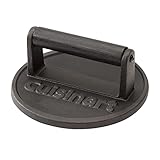
The Cuisinart 6.5" press hits the sweet spot between weight and size. At 6.5 inches, it's ideally proportioned for standard burger buns and griddle spacing, and the cast iron construction delivers the heft needed to flatten a cold ball of meat without much effort. The flat edge drives that restaurant-quality caramelization that defines a real smash burger, and owners consistently report the tool produces even, crispy-edged patties that stay juicy inside.
Cast iron does require seasonal maintenance, removing the wooden handle and seasoning the press in a 350-degree oven a few times before first use prevents rust. That said, once properly cared for, the press becomes virtually nonstick and improves with age. Owners note that a quick dry and light oil wipe after each use keeps it performing beautifully. The wooden handle stays comfortable and cool during cooking, and the overall build feels genuinely heirloom-quality.
If you're new to cast iron or prefer hands-off cleanup, the Pisol stainless steel press might appeal more. But for cooks who enjoy the ritual of caring for their tools and want the most reliable smash burger results, the Cuisinart press is the one.
Pros
- Heavy cast iron with ideal 6.5" diameter for burgers
- Flat edge creates crispy, caramelized crust reliably
- Comfortable wooden handle stays cool during use
Cons
- Requires seasoning before first use to prevent rust
- Cast iron demands hand washing and regular oiling after each use
Key features (4)
- 6.5" flat cast iron disc with weighted construction
- Wooden handle firmly attached for secure grip
- Seasoning improves nonstick surface over time
- Versatile for griddles, skillets, and outdoor grills
The Firsgrill 7.08" round press is specifically engineered for full-size griddles like Blackstone and Camp Chef models. The larger diameter covers more surface area, making it ideal for pressing multiple burgers or wider patties without repositioning. The flat bottom (a key differentiator from waffle-pattern designs) means no unwanted imprints on your meat, just clean, even browning.
Owners highlight that this press heats up beautifully on a preheated griddle and applies force evenly across the entire patty. The wood handle, while some note it has a nontraditional orange stain, stays reasonably cool and provides good grip. Weight is substantial but not quite as heavy as some cast iron competitors, so you'll apply moderate hand pressure rather than letting gravity do all the work.
Compared to the Whaleme two-pack, the Firsgrill is a single, larger-diameter tool: better if you want one workhorse press rather than versatility across shapes. Cast iron maintenance applies here too: season before use, dry promptly, and store oiled. One caveat is that the raw cast iron can be slightly abrasive during cleanup; use a cloth rather than paper towels to avoid fraying.
Pros
- 7.08" diameter ideal for large griddles and batch cooking
- Fully flat bottom with no waffle pattern
- Heavy enough to distribute pressure evenly
Cons
- Requires proper seasoning and regular maintenance like all cast iron
- Wood handle has unconventional orange stain some find unattractive
Key features (4)
- 7.08" flat cast iron disc for larger griddle coverage
- Fully flat bottom eliminates waffle marks on meat
- Cool-touch wood handle for safe operation
- Heavy-duty construction sized for commercial-style griddles
The Ewfen set solves the "which shape do I need?" dilemma by giving you both a 7" round and an 8.2" x 4.3" rectangle in one purchase. The round excels at smash burgers, while the rectangular handles bacon, paninis, steaks, and flattened chicken breasts with equal skill. Both are cast iron with grooved bottoms that imprint professional grill marks and help prevent curling during cooking.
Owners report the weight distribution is balanced: heavy enough to do the work without requiring you to bear down, yet light enough that extended cooking sessions don't leave your arm fatigued. The wooden handles are smooth, naturally finished, and genuinely ergonomic. The grooved surface is a stylistic choice; if you prefer a completely flat bottom like the Firsgrill or Cuisinart, this may not suit you, but the ridges do aid heat distribution and keep the press from sliding.
Where the Ewfen differs from the Pisol stainless option is versatility plus tradition: cast iron seasoning brings long-term nonstick benefits and that restaurant-kitchen feel. Hand washing is required; dishwasher use risks rust. The trade-off is a tool that improves with age if cared for properly.
Pros
- Includes both 7" round and rectangular pressing tools
- Grooved design creates grill marks and aids heat distribution
- Matched pair balances versatility across different proteins
Cons
- Grooved bottom (not flat) may not appeal to purists
- Cast iron requires seasoning, hand washing, and oiling maintenance
Key features (4)
- Two-press set: 7" round and 8.2" x 4.3" rectangle
- Food-grade cast iron with grooved bottom for grill marks
- Ergonomic wood handles stay cool during cooking
- Suitable for griddles, skillets, flat tops, and induction stoves
The Whaleme set delivers two heavy-duty cast iron presses (round and rectangular) at an entry-level price point. Both feature grooved bottoms that create grill marks and help manage moisture, plus wooden handles with ergonomic design. The round press is excellent for smash burgers, while the rectangle handles bacon and paninis with ease. Owners who've used professional griddle presses say these feel surprisingly close in quality to restaurant equipment.
The primary difference from the Ewfen offering is pricing and slightly different proportions; the Whaleme round is also 7 inches, making it comparable in size and performance. Where you'll notice the economy is in the handle finish and construction details, though the press itself performs the core function perfectly. One owner with restaurant experience noted these work as well as the versions used in commercial kitchens for a fraction of the cost.
Cleaning requires the same cast iron discipline as the Cuisinart or Ewfen: hand wash, dry thoroughly, and oil for storage. The set is genuinely heavy, which some find an asset for aggressive smashing and others find tiring after many patties. If budget is your main constraint and you want a two-press system, this is where to start.
Pros
- Two-press set at entry-level price point
- Heavy enough for even pressure without excessive force
- Grooved design creates professional grill marks
Cons
- Requires immediate hand drying after washing to prevent rust
- Can feel heavy after multiple patties, limiting endurance
Key features (4)
- Cast iron 7" round and 8" x 4" rectangle presses
- Grooved bottom design for grill marks and moisture management
- Wooden handles with thermal insulation
- Professional-grade build quality at accessible price
The Pisol press is the standout choice if you want to skip cast iron entirely. Stainless steel is naturally rust-proof, dishwasher-safe, and requires no seasoning or post-cook maintenance: just rinse and load. The 5.5-inch diameter is smaller than most cast iron competitors, making it ideal for standard skillets and griddles where a 7-inch press might crowd the cooking surface. The polished stainless surface resists sticking naturally; owners report that a thin piece of parchment paper between the press and meat virtually eliminates any adhesion.
The silicone-wrapped handle is noticeably more heat-resistant than bare wood. Owners highlight that the handle stays genuinely cool during extended cooking, a real advantage when flattening multiple patties in succession. The press is also lighter than cast iron, which some find easier to control and others feel is less forceful: that said, the stainless still delivers the weight needed to create a proper smash burger crust.
The trade-off compared to cast iron options like the Cuisinart or Ewfen is that stainless steel never improves with seasoning, so you're locked into the nonstick properties it arrives with. For cooks who value low-maintenance cleanup and don't mind hand-washing traditional cast iron, the Pisol is the modern, fuss-free alternative.
Pros
- Food-grade stainless steel requires no seasoning or special care
- Dishwasher-safe for hassle-free cleanup
- Silicone handle stays cool and comfortable during extended use
Cons
- Smaller 5.5" diameter may crowd larger griddles
- Lighter weight means more hand pressure needed than cast iron
Key features (4)
- 304 stainless steel with 2.5mm thickness and polished surface
- Silicone heat-resistant handle for safe operation
- Dishwasher-safe and rust-resistant design
- 5.5" diameter fits standard skillets and griddle pans
How to Choose a Smash Burger Press
Cast Iron vs. Stainless Steel
Cast iron presses provide superior heat retention and weight, creating more effortless smashing and better crust development. They improve with age and seasoning but demand regular maintenance: hand washing, drying, and oiling after each use. Stainless steel is maintenance-free, dishwasher-safe, and rust-proof, making it ideal if you dislike cleanup rituals. The trade-off is that stainless weighs less, so you'll apply more hand force, and it never develops a naturally nonstick surface like seasoned cast iron.
Size and Shape Matter
Round presses from 5.5 to 7 inches are best for smash burgers. A 5.5-inch press fits snugly in skillets; 6.5 to 7 inches works better on full-size griddles. Rectangular presses (typically 8 x 4 inches) excel at bacon, paninis, and steaks. If you cook only burgers, one round press suffices. If you grill a variety of proteins, a two-pack set offers flexibility. Larger diameter presses cover more surface area, useful when cooking for groups.
Weight and Effort
Heavier presses do more of the work: you'll press down with moderate force and let gravity flatten the meat. Lighter presses require more hand effort. Most cast iron presses weigh 2 to 2.5 pounds; stainless steel typically runs lighter. For comfort during multiple patties, heavier is often better, but if you have wrist strain or limited strength, a lighter press might suit you. Preheating the press on the griddle before smashing also transfers more heat and helps soften the meat for easier flattening.
Handle Design and Heat Resistance
Wooden handles are traditional and stay naturally cooler than metal, but they require care and cannot be seasoned in the oven like cast iron (you must remove them first). Silicone-wrapped or hollow metal handles offer extra insulation and dishwasher safety. Comfort grip and ergonomic design reduce hand fatigue during long cooking sessions. A secure, firmly attached handle (two screws or rivets) ensures years of reliable use without wobbling.
Cleaning, Seasoning, and Storage
Understanding how to clean and season is essential for cast iron longevity. Before first use, remove the wooden handle, coat the entire press with high-smoke-point oil (avocado or grapeseed work well), and bake at 350 degrees for an hour. Repeat 2-3 times to build a strong seasoning layer. After each cooking session, wipe the press clean with a damp cloth, dry thoroughly with a towel, apply a thin coat of oil, and store in a dry place. Stainless steel needs only a rinse and dishwasher cycle, making it ideal for cooks who want zero maintenance.
Our picks at a glance
2
Best for Blackstone GriddlesFirsgrill
3
Best Versatile Two-PackEwfen
5
Best Stainless Steel OptionPisol
Frequently asked
Do I really need to season a cast iron burger press before using it?
Yes. A new cast iron press arrives with a factory coating that can flake off during cooking. Removing the wooden handle and seasoning the press in a 350-degree oven with high-smoke-point oil for an hour (repeated 2-3 times) builds a durable nonstick layer. This prevents rust and improves performance dramatically. Owners report that properly seasoned presses develop a beautiful patina and become naturally nonstick over time.
What's the best way to prevent meat from sticking to the press?
Place a small square of parchment paper between the meat and the press before smashing. This nearly eliminates sticking and makes cleanup easier. Alternatively, preheat the press on the griddle for a minute or two before using it: a hot press releases meat more readily. A lightly oiled griddle surface also helps, especially with cast iron. Owners consistently recommend the parchment method as the simplest solution.
Can I use a burger press for foods other than burgers?
Absolutely. Burger presses work beautifully for bacon (keeping it flat and preventing curling), paninis, grilled steaks, sausages, and chicken breasts. Rectangular presses are especially versatile for these applications. The even pressure helps cook proteins uniformly and creates restaurant-quality sear marks. Many owners report using their press regularly for far more than burgers.
How do I know if a press is too heavy or too light for me?
A good press should flatten a cold ball of meat with moderate hand pressure: you shouldn't need to bear down hard or feel strain in your wrist. Most cast iron presses weigh 2 to 2.5 pounds, which works well for most cooks. Stainless steel is typically lighter. If you have wrist issues or limited strength, start with a lighter option. Preheating the press on the griddle transfers heat and softens the meat, making flattening easier regardless of weight.
Will cast iron rust if I don't season it perfectly?
Cast iron can develop surface rust if left wet or stored improperly, but light rust spots are cosmetic and removable. The key is drying the press thoroughly after washing and applying a thin layer of oil before storage. Most owners report that with basic post-use care (wipe dry, light oil), their presses stay rust-free for years. Avoid air-drying on a wet rack or storing in damp environments, which accelerates rust formation.