Best Bowls for Rising Bread Dough | Proofing Containers
Find the best bowl for rising bread dough. Compare glass, plastic, and banneton options for sourdough, pizza dough, and more. Expert picks and buyer reviews.
Verdict, analysis, and key features for each pick.
#1 Pick
Best Overall for Home Bakers
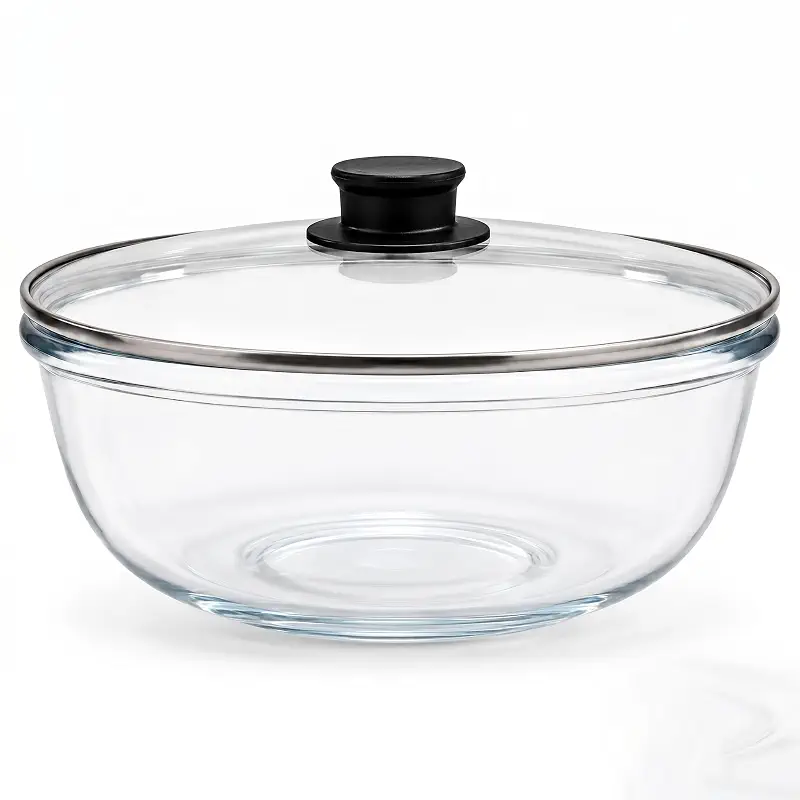
Bairuiin
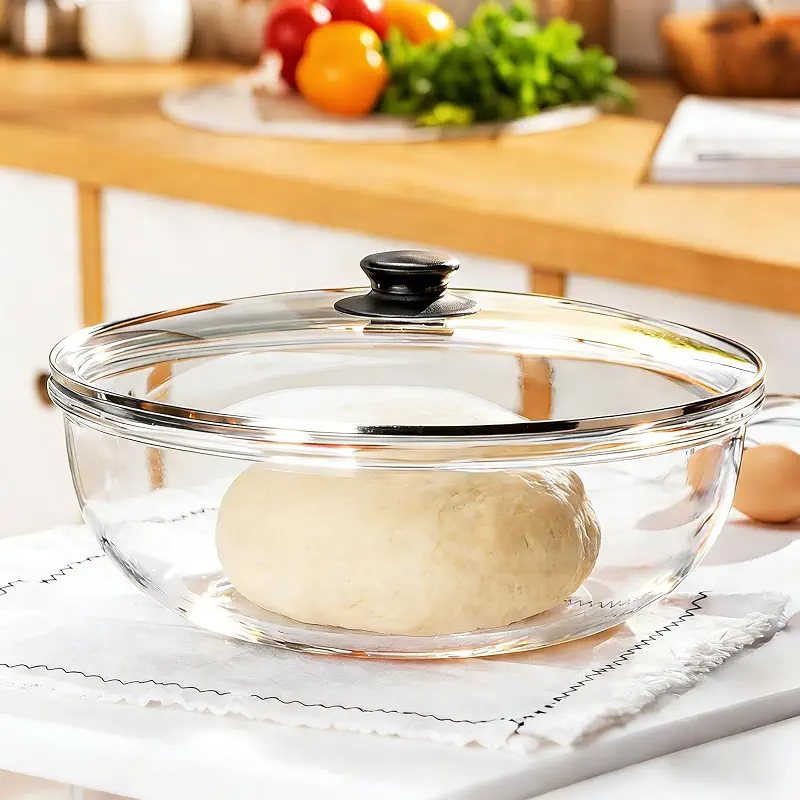
6 QT Large Glass Mixing Bowl with Lid for Sourdough Bread Making & Proofing | Dough Rise Clearly in This 6QT Glass Bowl with Ventilated Lid Oven-Safe Ideal for Sourdough Proofing Mixing & Storing
4.7(148)
Thick borosilicate glass with ventilated lid offers clarity, durability, and the view you want for sourdough proofing.
Ideal for: Home bakers seeking clear visibility into fermentation and long-term durability through multiple daily bakes.
The Bairuiin 6 QT bowl is where function meets everyday baking reality. The borosilicate glass is genuinely thick and heavy, which means it holds heat better than thinner alternatives and resists thermal shock from temperature swings. You get full visibility into fermentation without peeling back plastic wrap, and the non-sealed glass lid breathes while keeping dust out: a smart middle ground for starters that need oxygen exchange.
The main trade-off surfaces with high-hydration doughs: owners report that some sticky dough can cling to the glass after long proofs. A thin coat of oil solves this, but it's a step glass-and-plastic-bowl users won't skip. The lid knob is basic plastic, not fancy, yet it works and won't break under normal use. At 5.44 lbs, this bowl is weighty enough that your kitchen scale needs clearance underneath to tare it out properly.
Compared to the Brod & Taylor container, this glass option trades the sealed airtight environment for visual access and the tactile appeal of seeing bubbles form throughout the fermentation window. For bakers who want that sourdough-starter visibility without sealed plastic, this is the move.
Pros
Thick, durable borosilicate glass withstands years of use
Clear visibility monitors dough rise at every stage
Ventilated lid balances humidity and oxygen for starters
Cons
High-hydration doughs stick without oiling the surface
Lid doesn't seal tightly for long-term fridge storage
Ideal for: Multi-loaf bakers and sourdough enthusiasts who batch-proof two or more loaves at once.
The JBHO 6.7 QT bowl edges slightly larger than most glass competitors, and that extra half-quart matters when you're proofing two loaves or testing large pizza-dough batches. Owners consistently note the lid sits loosely inside the rim, which appears intentional: dough needs a little air exchange, and this design avoids the seal-it-all-the-way trap that can suffocate wild yeast. The borosilicate glass is clear and sturdy without being overly heavy, making it practical for daily handling.
This bowl shines for bakers who batch-proof multiple loaves in one go, especially if you're also experimenting with pizza dough or larger salad-prep needs. One note: the glass is smooth enough that dough release is generally clean, though high-hydration recipes may require a light oil coat: consistent with the glass-bowl category overall. Compared to the Bairuiin, the JBHO's slightly larger footprint and equally clear visibility make it ideal if you find yourself routinely pushing the size limits of smaller options.
The trade-off is modest weight and a lid that doesn't seal as snugly: fine for countertop proofing, less ideal if you want an airtight fridge container for multi-day cold fermentation.
Pros
Largest glass capacity accommodates two full loaves plus rise room
Clear borosilicate glass resists odors and stains long-term
Loose-fitting lid naturally allows dough to breathe
Cons
Lid does not seal airtight for extended cold storage
Dough may stick on high-hydration recipes without light oiling
Key features
6.7 QT borosilicate glass holds two full loaves with expansion room
Loose-fit glass lid reduces plastic wrap waste
Clear side walls show fermentation bubbles and dough texture clearly
Smooth glass releases dough easily with minimal sticking
#3 Pick
Best for Precise Temperature Control
Brod & Taylor
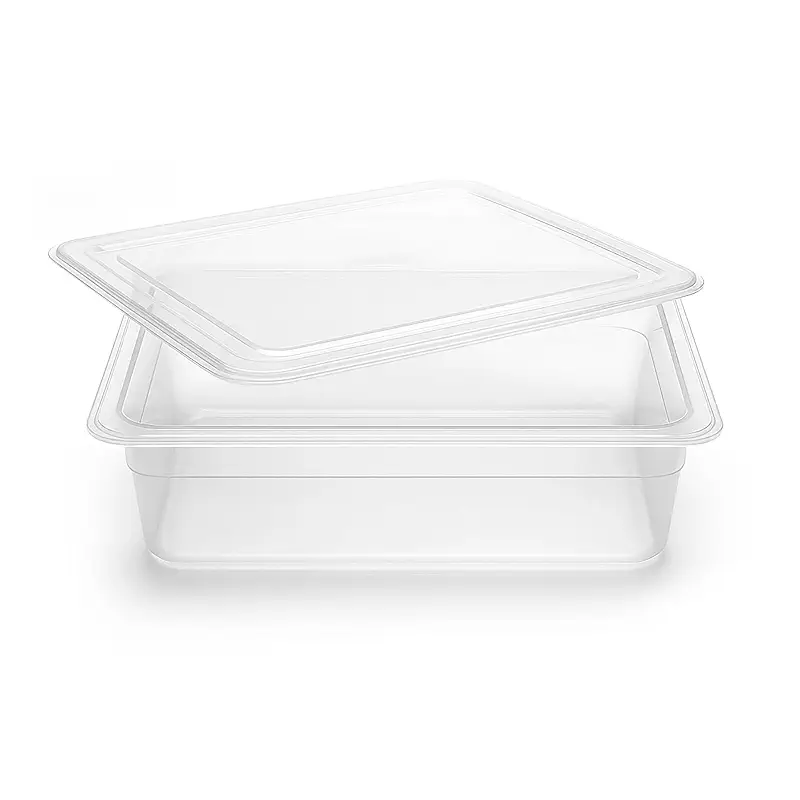
Brod & Taylor Proofing Container With 6L Capacity, Fits Up to 3000 Grams of Dough – Dough Rising Box for Bread, Sourdough & Pizza (Dishwasher Safe, BPA-Free)
4.7(359)
Designed for thermal stability and stacking; ideal if you use or plan to use a dedicated bread proofer.
Ideal for: Serious home bakers using temperature-controlled proofers or seeking precise humidity management in bulk fermentation.
The Brod & Taylor container stands apart because it's engineered as part of a proofer ecosystem. The translucent polypropylene walls show your dough's progress without the full glass clarity, and the volume markings let you hit target rise percentages by eye: invaluable for bakers working with recipes that spec exact dough volumes. The sealed lid genuinely retains humidity and keeps fermentation consistent, which matters most during bulk fermentation on the counter or inside a controlled-temperature proofer.
This plastic approach eliminates the sticking problem that glass users manage with oil; dough releases effortlessly because the material is naturally non-stick. The containers stack neatly, both with and without lids, so you can proof multiple batches in your fridge or proofer without a tower of bowls taking over. At 3000g capacity, it's roomy for a single 1.5-kg loaf or three 1000g dough portions. The lid snaps on firmly: some owners call it a two-hand operation, but that seal is the trade-off for humidity retention.
Glass versus plastic dough bowls comes down to preference here: this plastic option sacrifices the visual appeal of watching through clear glass, but gains durability against thermal shock and excellent humidity control if temperature consistency matters to your process.
Pros
Snap-tight lid seals moisture for consistent fermentation environment
Dough releases smoothly; no oiling or sticking even at high hydration
Stackable design fits multiple containers in fridges and proofers
Cons
Translucent rather than clear reduces visual monitoring of bubbles
Polypropylene less durable than borosilicate glass over decades
Key features
3000g capacity holds single large boule or three loaves separately
Volume markings guide bulk fermentation to target rise percentage
Airtight snap-lid maintains humidity during long proofs
Stackable design fits Brød & Taylor Folding Proofer and standard fridges
#4 Pick
Best Budget-Friendly Option
Generic
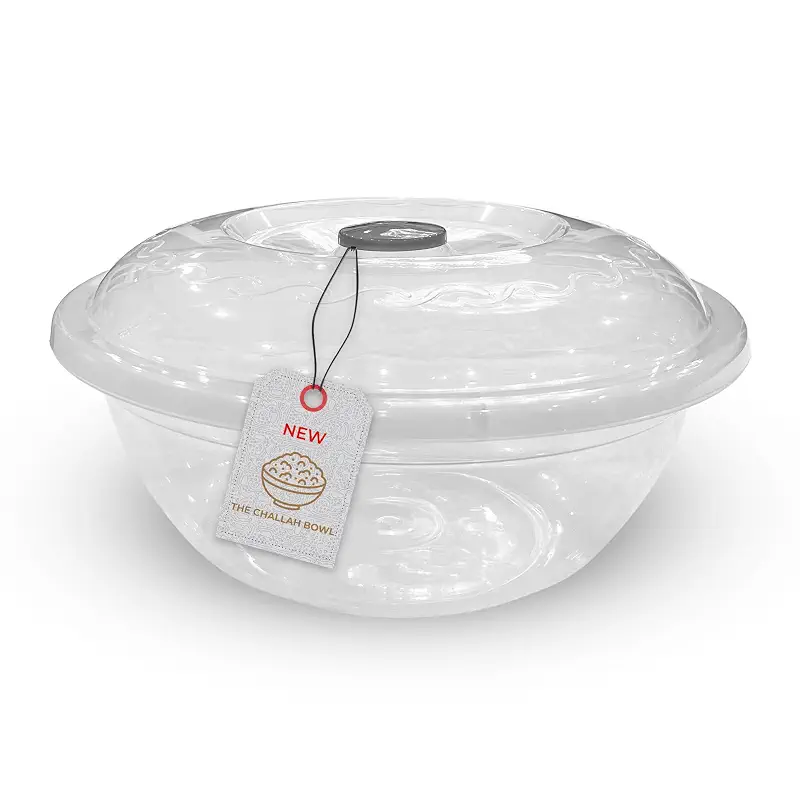
The Challah Bowl with Lid - Dough Riser - Proofer - Plastic Bowl with Cover/Lid - Extra Large 10 Liters - can fit 5Lbs of flour - Non Stick - Perfect Rise Every Time - Great Challah Bakes, Gift Idea
4.5(107)
Large 10-liter plastic bowl with dome lid covers basic proofing needs at a lower price point.
Ideal for: Budget-conscious beginners or occasional bakers wanting a spacious dome-covered container without premium pricing.
The Challah Bowl trades premium materials for sheer capacity and simplicity. At 10 liters, it's the largest option here and designed specifically to hold 5 pounds of flour dough: perfect if you're mixing and proofing in one vessel and want zero constraint during bulk fermentation. The dome lid is a nice touch, keeping the lid off the rising dough so nothing deflates a high rise.
The lightweight plastic feels similar to takeout containers, and owners are split on durability expectations at this price. One reviewer noted it felt overpriced at twenty dollars; another praised durability and construction. The real risk is heat exposure: this plastic can melt if placed near a warm stove, and kneading high-gluten doughs inside the bowl may stress the material over months of heavy use. That said, for proofing alone (mixing your dough in a separate bowl, then transferring for rise) it's gentle work and the material holds up fine.
If you compare this to the Brod & Taylor's sealed, engineered approach, the Challah Bowl is simpler and less expensive but demands you accept that plastics age and materials weaken with time. It's the right call for occasional bakers or if you want to test sourdough without investing in premium containers first.
Pros
Largest capacity at 10 liters accommodates multiple loaves easily
Dome lid keeps dough uncovered and protected during rise
Dishwasher safe and lightweight for easy handling
Cons
Lightweight plastic material may not withstand years of heavy kneading
Can melt if placed near heat sources or direct warmth
Key features
10-liter capacity holds up to 5 pounds of flour dough
Non-stick plastic surface releases dough without oiling
Dome lid design prevents dough from sticking to the cover
Dishwasher safe and freezer friendly for storage flexibility
#5 Pick
Best for Shaping and Final Proof
Bavify
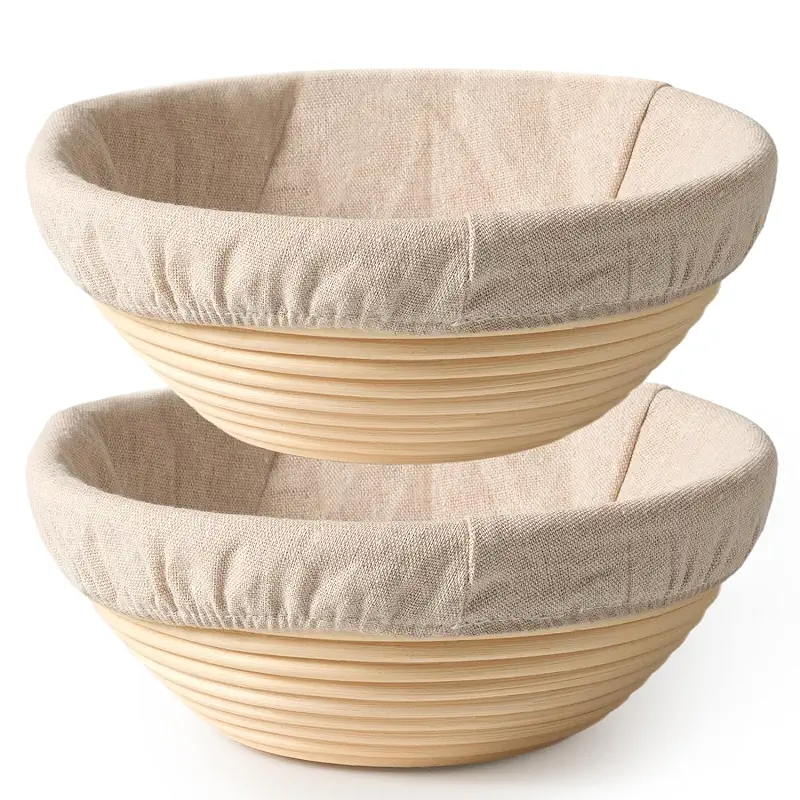
BAVIFY Sourdough Starter Kit, Banneton Bread Proofing Baskets Set | 2-Pack 9 in Round Banneton Basket, Indonesian Natural Rattan, Bread Proofing Bowl for Dough Rising, Fits up to 2.2 lb Dough
4.7(1,760)
Banneton baskets give dough structure during proof and create signature loaf shape for artisan and sourdough baking.
Ideal for: Sourdough and artisan bread bakers who want proper shaping support and plan to separate bulk proof from final proof.
The Bavify kit takes a different approach: instead of proofing bulk dough in a large container, these 9-inch round bannetons support dough during the final proof stage. You shape your loaf, place it seam-side up in the basket, and the weave naturally creates surface texture while supporting the dough's structure against gravity. This two-pack is built for bakers who separate bulk fermentation from final proof: a workflow that requires distinct tools.
Natural rattan breathes well, so these baskets don't trap excess moisture the way sealed containers do; they encourage the dough surface to firm slightly, which helps scoring bite cleanly when you bake. Owners love the kit for its completeness: it comes with covers, bread lame, and scoring tools, making it genuinely beginner-friendly. The baskets handle 1.5 to 2.2 pound loaves and release dough smoothly when dusted with flour.
Where banneton versus round bowl proofing matters: bannetons excel at final proof and shaping but can't hold bulk dough for eight-hour fermentations. If you're a baker comfortable with two-vessel workflows and also interested in pizza dough mixers for the mixing stage before fermentation begins, this kit pairs well with any mixing tool that gets you to the shaping table. For minimalists wanting one container that does both bulk and final proof, a large glass or plastic bowl is more practical. This is complementary to a bulk-fermentation bowl, not a replacement.
Pros
Natural rattan creates beautiful boule texture and shape support
Two-pack kit includes lame, covers, and scoring tools
Breathable weave firms loaf surface slightly for cleaner scoring
Cons
Not suitable for bulk fermentation; designed for final proof only
Requires learning proper dough shaping technique for best results
Key features
Two 9-inch round banneton baskets hold 1.5 to 2.2 pound loaves
Natural rattan with smooth, splinter-free surface for food safety
Includes bread lame, covers, and integrated scoring tools
Breathable design firms loaf surface and creates artisan appearance
How to Choose the Right Dough Rising Bowl
Four trade-offs that actually matter when matching a bowl for rising bread dough to your kitchen.
Visibility vs. Sealed Humidity
The first choice is often glass versus plastic. Glass lets you watch fermentation bubbles and texture develop without opening the lid, which appeals to visual learners and curious bakers. Plastic with a sealed lid locks in moisture better, supporting long proofs and temperature stability, especially valuable in kitchens with variable humidity or if you plan to use a controlled-environment bread proofer. Neither is wrong; it depends on whether you prioritize seeing your dough or maintaining a consistent fermentation climate.
Capacity and Your Batch Size
How much dough do you typically make? If you're proofing one loaf at a time, a 6-quart bowl suffices. Batch bakers proofing two loaves or multiple pizza doughs benefit from a 6.7-quart or larger container. The rule of thumb: your dough should fill no more than two-thirds of the bowl's volume during bulk fermentation, leaving room for rise without dough touching the lid. If you find yourself constantly cramming dough in, step up a size.
Dough Release and High-Hydration Recipes
Wet, sticky doughs are trendy in sourdough: high-hydration recipes create open crumb and crispy crust. But they stick to glass unless you oil the surface lightly. Plastic and banneton baskets release high-hydration dough more easily by nature. If your recipes lean wet, sealed plastic containers or bannetons reduce friction; if you prefer low-hydration or frequently oil your glass anyway, that's not a barrier.
Durability and Long-Term Investment
Thick borosilicate glass lasts decades and won't degrade from acidic starter or fermentation byproducts. Quality polypropylene containers are durable but eventually discolor or become brittle in sunlight. Banneton baskets need proper drying and storage but can last years with care. Think about whether you're testing sourdough for a season or committing to bread baking as a long-term hobby: that shapes whether premium glass or budget plastic makes sense for your kitchen.
Frequently asked
Quick answers to the questions readers ask most.
Can I use any large bowl for proofing dough?
In a pinch, yes, even a ceramic mixing bowl works. But dedicated proofing bowls are shaped and sized to balance fermentation space with volume markings or visibility. A too-deep bowl stifles rise; too-shallow and dough spreads unevenly. Lids matter most; plastic wrap dries dough at the edges, while a proper lid or cover maintains humidity. A dedicated bowl removes guesswork and improves consistency across bakes.
Do I need to oil a glass proofing bowl?
Not always, but high-hydration doughs (70% water and above) often stick to smooth glass. A light spray of oil or a thin coat on the bowl interior prevents waste and frustration. Plastic and banneton baskets have naturally non-stick surfaces, so oiling is optional. If you rarely work with wet doughs, you may never need to oil a glass bowl.
Can proofing bowls go in the oven or microwave?
Borosilicate glass bowls are oven-safe up to 400°F (lids sometimes aren't), so you can proof on a warm (not hot) countertop. Plastic containers are not oven-safe and will melt. Banneton baskets should never go in the oven. Microwaving is generally safe for glass and plastic, though most bakers avoid it since it disrupts fermentation timing. Proof on the counter at room temperature for best results.
What's the difference between banneton baskets and bulk-proofing bowls?
Banneton baskets are for final proof: after you shape your dough, it goes seam-side up in the basket for 1-4 hours before baking. Bulk-proofing bowls are for the initial 4-12 hour fermentation when dough still looks shaggy and needs time to develop flavor and strength. Most serious bakers use both: a large bowl for bulk fermentation, then shape into a banneton for the final proof before baking.
How do I prevent my dough from drying out during proofing?
A sealed or well-fitted lid is the foundation. Glass lids with ventilation holes allow starter activity while blocking air; airtight plastic lids trap all moisture. Some bakers lightly spray dough before covering, or drape a damp towel over the lid for extra humidity. If your kitchen is very dry, placing the bowl inside a slightly larger container or a closed oven (off) creates a mini humidity chamber. The goal is preventing a skin from forming while allowing gentle fermentation.