Kitchen & Dining · Gadgets
Best Bottles for Thick Formula: Top Picks for Feeding Success
Find the best bottles for thick formula with our expert comparison. Wide-neck designs, anti-colic features, and Y-cut nipples reviewed for your feeding needs.
Affiliate disclosure: As an Amazon Associate I earn from qualifying purchases.
At a glance
1
Best Overall for Thick Formula StorageMomcozy
2
Best for Natural Breastfeeding TransitionPhilips Avent
3
Best for Travel and On-the-Go FeedingJili
4
Best Specifically for Thickened Formula and CerealTommee Tippee
5
Best for Breast Milk Pitcher Method and Formula MixingPapablic
Detailed reviews
The Momcozy Natural Baby Bottles excel as a dual-purpose tool: they work as storage containers, pump attachments, and feeders in one. The wide neck is the key advantage here; it prevents mess and clumping when transferring or pouring thickened formula, and the generous 11oz capacity means fewer bottle swaps during longer feeding windows. Parents consistently report that the clear measurement markings stay readable after months of daily use, which matters when you're tracking intake or storing milk at different stages.
What sets these apart from a basic bottle is the interchangeability. The removable white silicone seal transforms them from storage vessels into nippled bottles once you attach compatible feeding accessories. Lansinoh and Evenflo nipples fit directly. That flexibility reduces the number of distinct products you'll keep in rotation, a real advantage when counter and fridge space are already tight.
The one limitation some buyers mention is pump compatibility; they don't fit certain models like Spectra pumps without adapters. If you're using a specialty pump, verify the connection before buying. For general storage and mixed feeding situations, though, the design hits the sweet spot between simplicity and versatility.
Pros
- 11oz capacity reduces frequent refills and bottle swaps
- Wide neck prevents clumping and eases thick formula transfer
- Removable seal converts bottles to feeder with standard nipples
Cons
- May not fit specialty pump models without adapters
- Plastic can cloud slightly after extended daily use
Key features (5)
- Wide-mouth design minimizes spills during thick formula transfers
- 11-ounce capacity holds more than standard baby bottles
- BPA-free, durable plastic that resists cracking when dropped
- Removable white seal transforms storage bottle into feeder bottle
- Dishwasher safe with measurement markings that don't fade
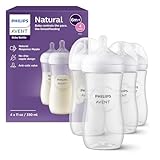
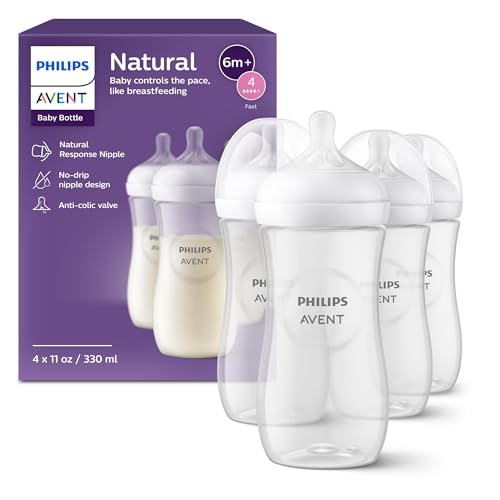
The Philips Avent Natural bottles approach feeding from a breastfeeding-first angle. The Natural Response nipple releases milk only when your baby actively drinks (mimicking the way a breast works) which makes switching between breast and bottle remarkably smooth for many families. The soft, wide silicone nipple flexes to feel closer to skin, reducing the nipple-confusion friction that some parents worry about.
The anti-colic valve is genuinely effective; it channels air away from the baby's tummy rather than into it, and parents notice a tangible reduction in gas and fussiness. The no-drip design prevents lost milk during pauses, which saves formula and keeps feeding sessions cleaner. With 11oz capacity and a proven track record across thousands of reviews, these bottles are reliable for everyday feeding.
The trade-off is that while these bottles work for thickened formula, they're not optimized for it the way the Tommee Tippee Natural Start bottles are. The standard nipple design won't flow as easily with cereal-thickened milk as a Y-cut nipple would. If your primary goal is supporting breastfeeding alongside bottle feeding of standard-consistency formula, these excel. For thick-formula feeding, the Tommee Tippee offers a more purposeful nipple design, though both are solid bottles in their own right.
Pros
- Natural Response nipple feels breast-like and promotes natural latch
- Anti-colic valve reduces air intake and associated discomfort
- No-drip design prevents spills and milk loss during feeding
Cons
- Standard nipple not optimized for thickened formula flow
- Plastic can cloud over months of heavy daily use
Key features (5)
- Baby-controlled flow nipple mimics breastfeeding rhythm and comfort
- Anti-colic valve channels air away from baby's stomach
- 11-ounce capacity with easy-to-read measurement markings
- Wide neck for simple filling, cleaning, and assembly
- BPA-free polypropylene compatible with all Natural Response nipples
The Jili All-in-One bottle solves a specific problem: keeping formula and water separate during outings, then mixing at feeding time without needing a separate cooler or warmer bag. The stainless-steel insulation maintains water temperature for roughly two hours, which covers most errands or short trips. The compartment design keeps dry formula powder isolated, reducing the need to pack multiple containers.
This bottle shines for travel because it consolidates gear: you're carrying one item instead of a bottle, a formula dispenser, and a water holder. Parents appreciate the simplicity and the built-in leak-proof lid. The anti-colic nipple works reasonably well for standard-formula feeding.
Compared to the Tommee Tippee Natural Start bottles optimized for thick formula, the Jili sacrifices nipple-flow precision. It's designed as a convenience tool first and a precision feeder second. The insulation also means this bottle is heavier than a standard plastic bottle, which matters if you're carrying it frequently. One concern some parents flag is that filling the dry formula compartment can be awkward without a funnel, and powder can scatter. If your thick-formula feeding happens mostly at home with occasional outings, a dedicated thick-formula bottle like the Tommee Tippee paired with this for travel gives you the best of both worlds.
Pros
- Compartment design keeps formula separate and organized during travel
- Insulated stainless steel maintains water temperature for several hours
- All-in-one design reduces the number of items to pack and carry
Cons
- Heavier than standard plastic bottles for frequent carrying
- Funnel not included; powder can scatter during filling
Key features (5)
- Compartmentalized design separates formula powder from water
- Insulated stainless-steel construction maintains liquid temperature
- Anti-colic nipple reduces air intake during feeding
- Leak-proof lid with secure seal for mess-free travel
- BPA, paraben, and phthalate-free materials for safety
The Tommee Tippee Natural Start bottles stand out because they're engineered specifically for babies on thickened formula: typically due to reflux or feeding challenges. The Y-cut nipple has larger openings that allow cereal-infused or thickened breast milk to flow without backing up or clogging, which is the central problem parents face with standard nipples. This nipple design is the bottle's entire reason for existing, and it solves that problem reliably.
The 11oz capacity works well for older infants and toddlers who need more per feeding, and the anti-colic valve still reduces gas even with thickened feeds. Parents report that babies latch naturally on the soft, silicone nipple, and the handles that come with the set are genuinely useful as children grow and want to hold their own bottles. Durability is excellent; families report using these through multiple children without degradation.
The critical caveat: this nipple flow is too fast for regular thin formula or breast milk feeding. Buyers who tried using these for standard feeding found spillage and choking issues. You need to be clear on your feeding plan before committing. If you're managing reflux with cereal or have medical guidance to thicken feeds, this is your bottle. If you're looking for an all-purpose bottle, the Philips Avent Natural or Momcozy storage bottles handle mixed feeding scenarios better.
Pros
- Y-cut nipple designed specifically for thickened formula without clumping
- Soft, breast-like silicone nipple promotes natural latch and comfort
- Includes handles for toddlers learning to hold and self-feed
Cons
- Y-cut nipple flow is too fast for standard thin formula or milk
- Not suitable for mixed feeding of both thick and thin formulas
Key features (5)
- Y-cut nipple openings accommodate thickened formula without blockages
- Anti-colic valve reduces air intake and associated digestive discomfort
- 11-ounce capacity ideal for older infants and toddlers
- Soft silicone breast-like nipple supports natural feeding rhythm
- Includes handles and easy-disassembly design for thorough cleaning
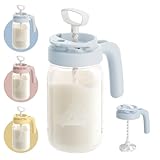
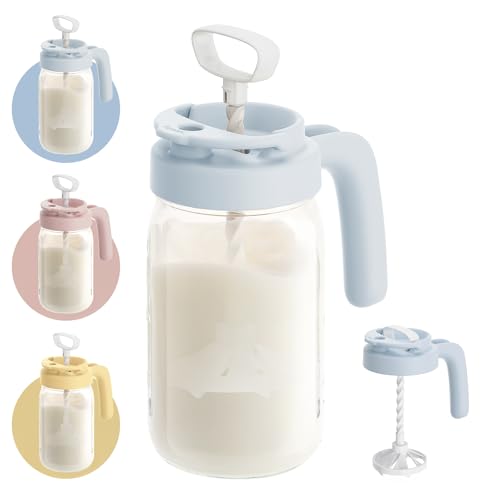
The Papablic Breast Milk Pitcher takes a completely different approach from feeding bottles: it's a mixing and storage vessel primarily for parents using the pitcher method, where you combine pumped milk throughout the day to equalize fat content before portioning into feeders. The glass construction is key; it won't retain odors or stains like plastic does, and the weight gives it stability on a counter or in a refrigerator shelf.
The built-in mixer handle in the lid allows you to gently blend breast milk or formula without creating excessive foam or air bubbles, which matters for reducing digestion discomfort. The wide mouth and pour spout make transferring to bottles or bags easy, and the 32oz capacity means you can accumulate milk across multiple pumping sessions. Measurement markings go up to 24oz, but the pitcher safely holds more, giving flexibility for longer work shifts or higher-volume pumpers.
This bottle doesn't directly feed your baby; it's a preparation and storage tool that works upstream of your feeding bottles. If your thick-formula feeding involves mixing powdered formula or managing breast milk separation, this pitcher simplifies that step considerably. Compared to the Tommee Tippee Natural Start bottles, which are designed to deliver the formula, the Papablic handles the mixing phase. Using both (pitcher for prep, purpose-built bottles for feeding) creates a cohesive workflow.
Pros
- Glass construction resists odors and staining over long-term use
- Built-in mixer handle blends milk gently without excess foam or bubbles
- Wide mouth and pour spout simplify transferring between vessels
Cons
- Not a feeding bottle itself; requires separate bottles for actual feeding
- Glass makes it heavier and more fragile than plastic alternatives
Key features (5)
- Heavy-duty glass construction with BPA-free plastic lid for durability
- Built-in mixer handle in lid reduces foam and air bubbles during blending
- Measurement markings up to 24oz with 32oz total capacity
- Wide mouth for easy filling, pouring, and cleaning
- Top-rack dishwasher safe and heat/cold resistant for storage flexibility
How to Choose the Right Bottle for Thick Formula
Understand Your Feeding Situation
The best bottle depends on what you're actually feeding and why. If your baby takes thickened formula due to reflux or medical guidance, a Y-cut nipple like the Tommee Tippee is essential: standard nipples will clog or flow too slowly. If you're mixing breast and bottle feeding of regular-consistency milk or formula, prioritize breast-like nipple shapes and anti-colic systems that reduce the learning curve. For storage and preparation, understanding whether you need a feeding bottle, a mixing pitcher, or both shapes your buying decision and often saves money by avoiding duplicates.
Nipple Flow Rates and Design
Nipple design is not interchangeable across bottles. A nipple flow rates guide will help you understand the differences, but the key point for thick formula is that standard-hole nipples simply don't work. Y-cut nipples have larger openings specifically to prevent cereal or thickener from clogging the flow. If you're using standard formula, look for anti-colic or Natural Response nipples that slow the flow to match your baby's drinking rhythm. Don't assume a faster-flowing nipple is always better; it depends entirely on your baby's age, feeding speed, and formula thickness.
Capacity and Feeding Frequency
Bottles with 8-9oz capacity work for newborns and younger infants, but if you're feeding thickened formula to an older baby or toddler, 11oz becomes practical: it reduces the number of bottle changes during feeding sessions. Larger capacity also matters if you're pumping and storing; having bottles that hold more means fewer containers taking up fridge space. Consider your daily routine: do you need bottles for work, travel, or mostly home feeding? That determines whether insulated bottles, storage vessels, or standard feeders make sense for your situation.
Material and Durability Considerations
Plastic bottles are lightweight and portable; glass and stainless steel offer durability and odor resistance over time. If you're feeding one child for a year or two, plastic is efficient. If you're planning to reuse bottles across multiple children or keep them longer, glass or stainless-steel options hold up better. Plastic does cloud after months of heavy use, but that's cosmetic: it doesn't affect function. All the bottles here are BPA-free and dishwasher safe. The real choice is between convenience and longevity: lighter and easier to carry versus heavier and more resistant to wear and staining.
Anti-Colic vs Standard Bottles
Anti-colic bottles reduce the amount of air a baby ingests during feeding by venting air away from the milk or using nipple designs that don't allow milk to flow when the baby pauses. For babies prone to gas, reflux, or visible discomfort, anti-colic vs standard bottles makes a measurable difference. Most modern bottles now include anti-colic features because the technology is proven and the cost is minimal. If your baby already shows signs of colic or digestive sensitivity, prioritize this feature; otherwise, a bottle without anti-colic can still work fine if feeding technique is mindful.
Our picks at a glance
1
Best Overall for Thick Formula StorageMomcozy
2
Best for Natural Breastfeeding TransitionPhilips Avent
3
Best for Travel and On-the-Go FeedingJili
4
Best Specifically for Thickened Formula and CerealTommee Tippee
5
Best for Breast Milk Pitcher Method and Formula MixingPapablic
Frequently asked
Can I use a standard bottle nipple for thickened formula or cereal?
No, standard nipples will clog or flow too slowly with thickened formula. Y-cut nipples are specifically designed with larger openings to prevent cereal or thickener from backing up. Trying to feed thickened formula through a standard nipple leads to frustration, slow feeding, and potential choking if the baby sucks too hard and suddenly clears the blockage. If your baby needs thickened feeds, choose bottles with Y-cut or wide-flow nipples designed for that purpose.
Do these bottles work with electric breast pumps?
Many do, but compatibility varies by pump model and brand. Wide-neck bottles fit Medela, Lansinoh, and Evenflo pumps directly. Spectra pump flanges typically require adapters or don't fit certain storage bottles. Check your pump's documentation and the bottle's compatibility list before buying. Some parents appreciate bottles that attach directly to pumps because you can pump straight into the feeding bottle, eliminating a transfer step and saving on dishwashing.
Are glass or plastic bottles better for long-term use?
Glass resists staining and odor buildup over years, making it ideal if you're keeping bottles for multiple children or extended use. Plastic is lighter, more portable, and less likely to break if dropped. Both are safe and durable for feeding. If you travel frequently or have limited storage, plastic wins. If you're looking for a multi-child, long-lasting solution or want to minimize odor issues, glass is the better investment despite being heavier and more fragile.
What size capacity should I buy for an older baby or toddler?
Most bottles come in 8-9oz or 11oz sizes. Older babies and toddlers benefit from 11oz bottles because they can take larger feeds and reduce the number of bottle changes during eating. If your baby is exclusively bottle-fed, one 11oz bottle can cover most feeding sessions. If you're mixing breast and bottle or feeding multiple children, having a variety of sizes gives flexibility. Check your baby's typical intake per feeding to determine whether one 11oz bottle is sufficient or you need multiple smaller bottles as backup.
How often should I replace baby bottles?
With proper care, bottles last through multiple children. Replace nipples every 3-4 months or sooner if you notice slowed flow, cracks, or uneven wear. Plastic bottles may cloud after 6-12 months of heavy daily use but remain safe and functional. Glass bottles last longer without visible degradation. Discard any bottle or nipple that cracks, leaks unreliably, or shows visible damage. Most parents buy 6-8 bottles total to cycle through daily washing and sterilizing, so you're not buying new bottles constantly.