Best Blender for Indian Cooking: Top Picks for Spices & Batters
Find the best blender for Indian cooking. Compare powerful blenders for grinding spices, batters, and chutneys. Professional and budget options reviewed.
Verdict, analysis, and key features for each pick.
#1 Pick
Best Overall Power for Heavy Grinding
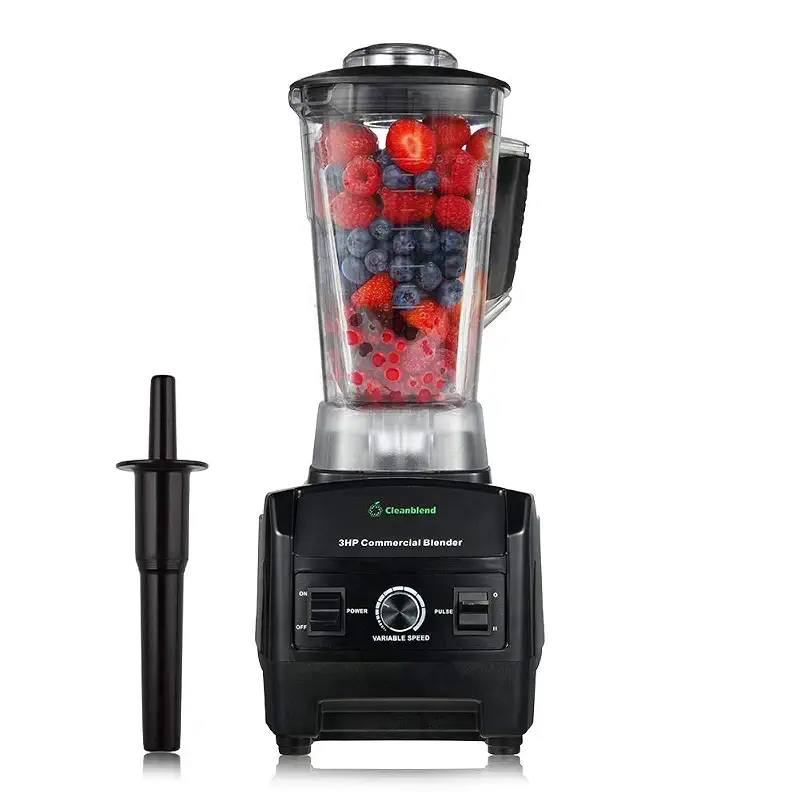
Cleanblend
Cleanblend Commercial Blender with 5-Year Full Warranty - 1800W, 3HP, 64oz High-Performance Professional Countertop Blender with Stainless Steel Blades
4.4(2,435)
1800-watt workhorse built for batch cooking and commercial demands, with proven durability and excellent warranty coverage.
Ideal for: Home cooks preparing large batches of Indian dishes; families blending daily spices and pastes.
The Cleanblend Commercial Blender brings serious power to the Indian kitchen. With its 1800-watt motor and stainless steel blades, it handles tough grinding tasks that would strain lighter machines: whole cumin, coriander seeds, and other dried spices break down into fine powder in one or two pulses, and wet pastes for chutneys, curries, and batters achieve smooth, lump-free texture without the grainy residue that sometimes plagues weaker motors.
What makes this blender stand out for Indian cooking is its ability to work with heat. The motor stays cool even during extended grinding sessions, and the sealed ball bearing design holds up well when you're processing warm or semi-cooked ingredients. Owners report that the unit runs quieter than you'd expect from a machine this powerful, which matters if you're grinding early morning or late evening. The 5-year warranty and responsive customer support mean you're protected if something goes wrong.
The main trade-off is size and counter space. At 20 inches tall, it won't fit under many kitchen cabinets, and the base footprint is substantial. If your kitchen is compact or your counter already crowded, this blender demands real estate. Also, the pitcher is narrower than some competitors, which can occasionally cause ingredients to stick in the center, though pulsing or adding a bit more liquid resolves this quickly.
Pros
Crushes dried spices to fine powder without grittiness
Handles wet pastes and batters with smooth, consistent results
Motor stays cool during extended grinding sessions
5-year warranty and responsive customer support
Cons
Tall footprint may not fit under some cabinets
Narrow pitcher occasionally traps ingredients in center during grinding
Key features
1800-watt motor with variable speed control for precision blending
Stainless steel blades and sealed ball bearing for durability
64-ounce BPA-free pitcher suited to large family servings
5-year full warranty with streamlined customer support process
#2 Pick
Best Modern Blender with Preset Programs
Aeitto
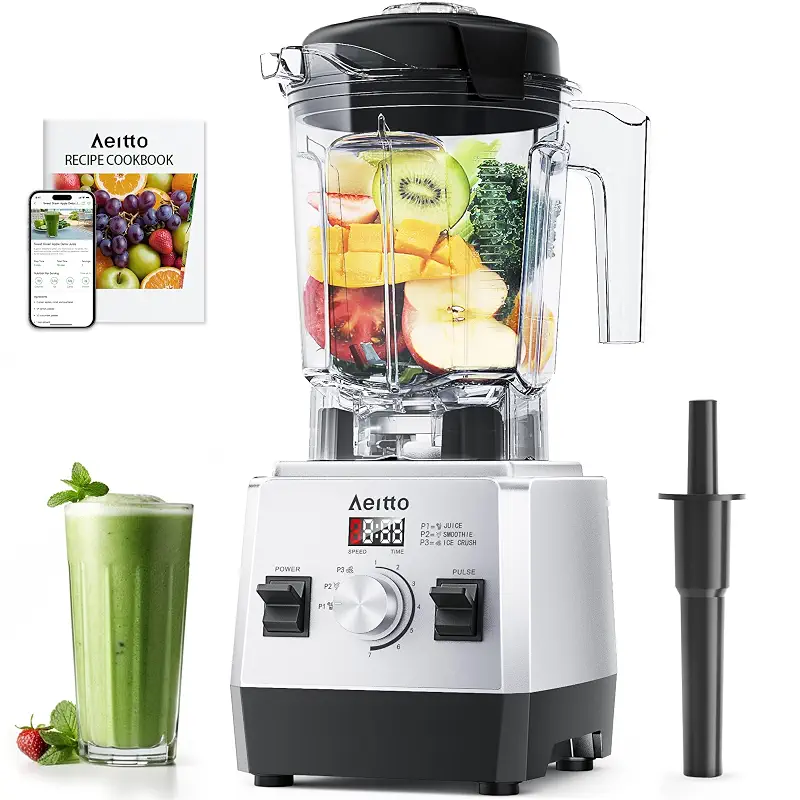
Aeitto Blenders for Kitchen with 68Oz. Large Capacity, 1800W Max Power Smoothie Blender, 3 Preset Programs & 7 Speeds, Professional Countertop Blender for Smoothies, Ice Crush, Silver
5.0(51)
Powerful 1800-watt blender with intuitive presets and large capacity, ideal for daily Indian cooking without complexity.
Ideal for: Busy home cooks seeking convenience; families preferring preset automation over manual speed adjustment.
The Aeitto Blender matches the Cleanblend in raw wattage but takes a different design philosophy: simplicity and preset intelligence. Three dedicated buttons handle smoothies, juices, and crushed ice automatically, while seven manual speeds let you fine-tune texture if you want granular control. For Indian cooking, this translates to pressing "Crush" for spice blending or dialing up speed 6 or 7 for wet pastes, then walking away while the motor does its job. The 68-ounce capacity edges out most competitors, making it practical for grinding large quantities of masala paste or preparing family-sized batches of coconut chutney.
The auto-clean function appeals to cooks who use their blender multiple times a day. Add water and a drop of dish soap, press the clean button, and 30 seconds later the pitcher is ready for the next task. Most detachable parts are dishwasher-safe, saving time during cleanup. The LED display provides real-time feedback on speed and cycle time, which helps you dial in consistency for specific Indian recipes. Compared to the Cleanblend, this machine prioritizes user ease and modern conveniences over the raw commercial durability story.
The catch is that preset programs can feel limiting if you prefer full manual control over every second of blending. The plastic jar, while durable and lightweight, is less robust than stainless steel for heavy daily grinding. Owners report stellar performance so far, but the review count is still relatively small compared to more established models featured in blender for frappes picks.
Pros
Three preset buttons streamline spice and batter blending
68-ounce capacity handles large family batches in one cycle
Auto-clean function cuts manual washing time significantly
LED display shows real-time speed and program status
Cons
Plastic jar less durable than stainless steel for intense daily use
Preset programs may feel restrictive for cooks wanting total control
Key features
1800-watt motor with 25,000 RPM for rapid spice and wet-paste grinding
68-ounce BPA-free capacity for large family-sized batches
Preset programs for juice, smoothies, and ice crush plus 7 manual speeds
Auto-clean mode with warm water and soap in 30 seconds
8-point 3D blades with overheat protection for safety
#3 Pick
Purpose-Built Indian Mixer Grinder
Preethi
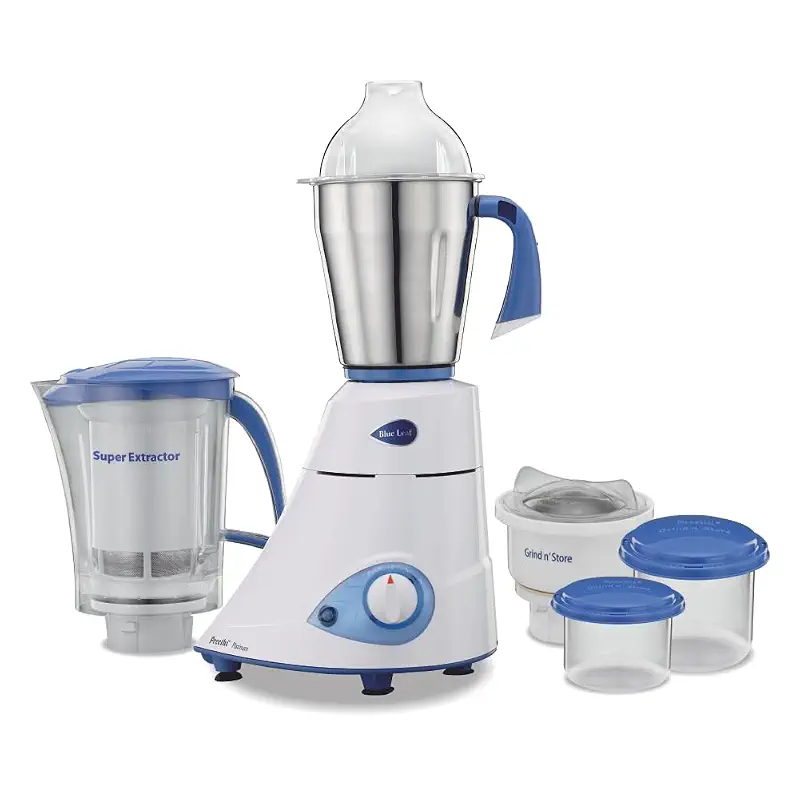
Preethi Blue Leaf Platinum 550 Watts 3 Jar Indian Mixer Grinder 110 Volts
4.2(1,268)
Traditional 550-watt mixer grinder with three specialized jars for Indian cooking; strong performance hampered by quality-control and durability concerns.
Ideal for: Home cooks seeking traditional Indian mixer-grinder design; those comfortable with specialized jars for different tasks.
The Preethi Blue Leaf Platinum represents the traditional Indian mixer-grinder category: three jars, each designed for a specific grinding task. The 1.75-liter stainless steel jar handles wet grinding for chutneys and batters. The 1.5-liter super extractor jar is optimized for juicing while retaining pulp. The 0.4-liter grind-and-store jar works for dry spices and smaller pastes. For cooks steeped in Indian cooking traditions, this modular approach makes sense; you reach for the right jar instead of rinsing and reloading a single pitcher. The motor, though modest at 550 watts compared to the Cleanblend or Aeitto, operates at 110 volts and delivers respectable grinding power for masalas, idli and dosa batters, and chutneys.
However, buyer feedback raises significant concerns. A notable review documents poor finishing: lids so tight they require armpit-level leverage to remove, sharp plastic edges along lid circumferences that cut skin, and blades already showing dents after light use. The reviewer also flagged tampering signals on the packaging itself. Where the Cleanblend earned two five-star reviews praising long-term reliability and responsive warranty service, and where the Aeitto accumulated uniformly positive feedback, this Preethi unit carries a mixed reputation. If you purchase one from a reputable seller and receive a well-finished unit, the traditional three-jar design is proven. But the quality-control variation and durability questions mean you're taking on more risk than with the other blenders on this list.
The 550-watt motor also represents a step down in raw power, so grinding whole cumin or coriander seeds may take longer or require pulsing multiple times compared to the 1800-watt options.
Pros
Three jars tailored to wet grinding, juicing, and dry spice work
Stainless steel construction in main jar resists rust and staining
Flexi-lid feature converts 1.75-liter jar to 1.25-liter capacity
Heat-sensitive cutoff protects against voltage fluctuation overload
Cons
Lids reported to be extremely tight, requiring significant force to remove
Quality-control issues noted: sharp plastic edges and unfinished surfaces
Key features
550-watt motor optimized for 110-volt household electrical supply
Three stainless steel and polycarbonate jars for specialized grinding tasks
Super extractor function separates juice while retaining pulp
Flexi-lid converts capacity between 1.75 and 1.25 liters as needed
Heat-sensitive cutoff and reset button for voltage surge protection
1500-watt blender-processor combo excels at smoothies and light chopping; powerful but loud, and better for general cooking than specialized Indian grinding.
Ideal for: Versatile home cooks balancing Western and Indian cuisines; families wanting one system for smoothies, prep, and occasional grinding.
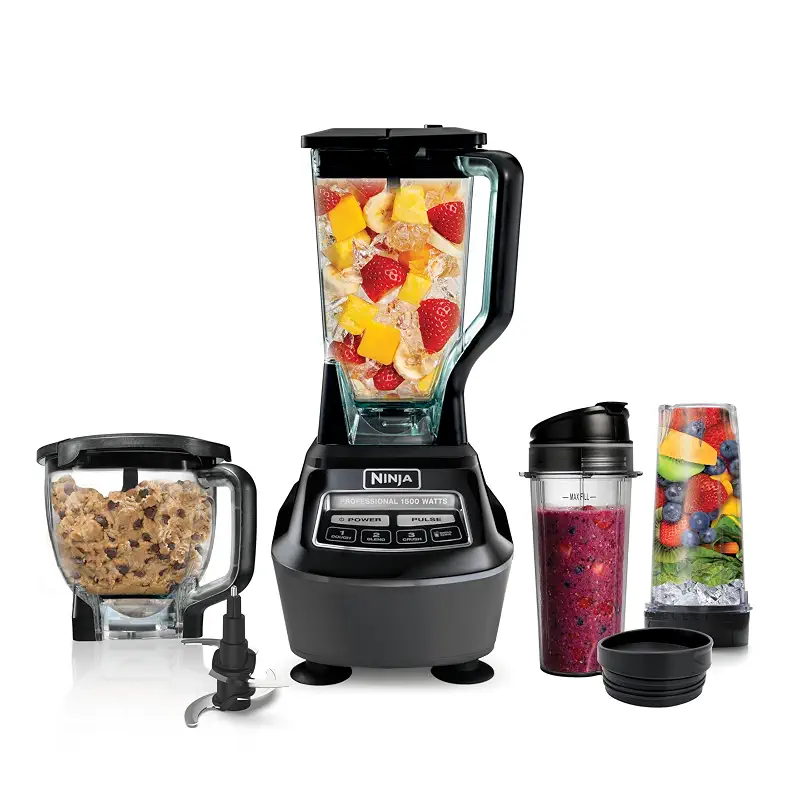
The Ninja Kitchen System appeals to cooks who want one machine handling both blending and food processing. The XL 72-ounce pitcher crushes ice to snow and powers through frozen fruit for smoothies, while the 8-cup processor bowl chops vegetables and mixes dough up to 2 pounds. For Indian cooking, the food processor bowl works well for quick prep: chopping onions and cilantro for garnish, making coconut paste from fresh coconut, or grinding peanuts for sauces. The two 16-ounce single-serve cups with to-go lids add convenience for family members grabbing quick drinks.
Compared to the Cleanblend and Aeitto, which shine at dedicated spice and wet-paste grinding, the Ninja spreads its 1500-watt power across multiple functions and attachments. The total crushing blades are excellent for ice and frozen ingredients, but the processor bowl's chopping blade uses a different design optimized for vegetables rather than the fine powder consistency Indian masala grinding demands. If your cooking spans Western smoothies, salad prep, dough mixing, and occasional Indian dishes, this versatility is a genuine advantage. Owners consistently praise the machine's durability and customer service; one reviewer reported their previous Ninja lasted over 1000 smoothies before needing a replacement container, which arrived within days.
The trade-off is noise: multiple reviewers mention that the Ninja runs loud enough to merit asking children to leave the kitchen during operation. Also, the system comes with only one blade for the single-serve cups, so if you're blending frequently, you'll find yourself washing mid-session instead of having a spare ready. Compared to purpose-built Indian mixer grinders, it's less specialized for the fine spice work that defines Indian cooking, though it handles general blending capably.
Pros
Dual functionality: 72-ounce blender pitcher and 8-cup food processor bowl
1500-watt motor crushes ice and frozen fruit to snow-like consistency
Includes two 16-ounce single-serve cups with to-go lids for grab-and-blend
Excellent customer service and strong durability track record
Cons
Operates very loudly during blending cycles
Comes with single blade for single-serve cups; washing mid-session required
Key features
1500-watt, 2-horsepower motor base powering dual blender and processor
XL 72-ounce Total Crushing pitcher with stainless steel blades for ice
8-cup food processor bowl with chopping, dough, and mixing blades
Four unique blade types optimized for different tasks and functions
Dishwasher-safe components and easy lock-and-go attachment system
#5 Pick
Best Compact Grinder for Daily Indian Spices
Vidiem
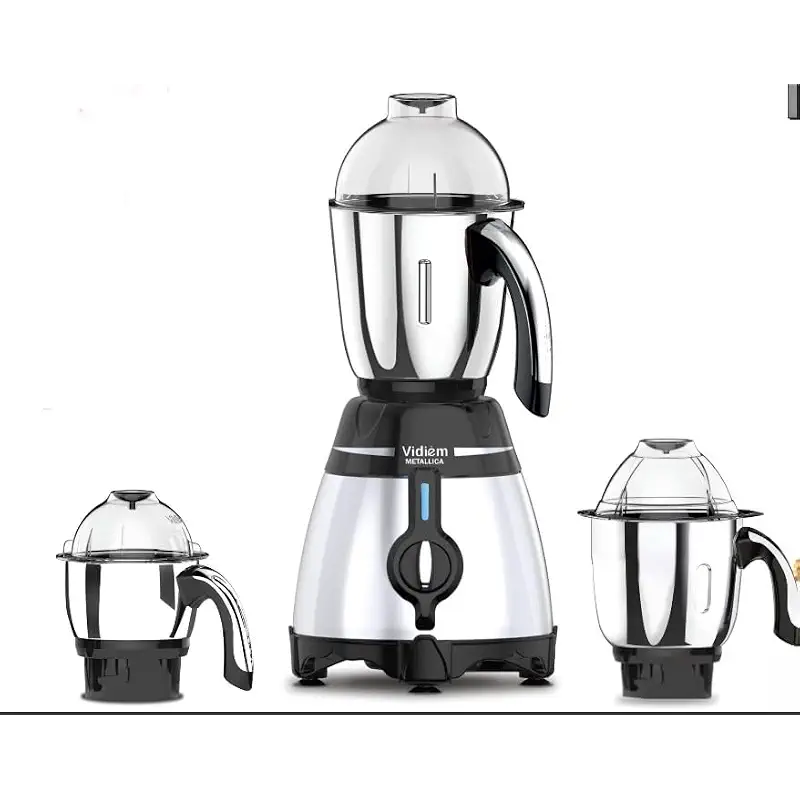
VIDIEM METALLICA STEEL 750W / 110V Free Service Kit included - INDIAN MIXER GRINDER USA
4.4(80)
750-watt specialist grinder with three jars and self-locking design; reliable and affordable for traditional Indian grinding without heavy counter footprint.
Ideal for: Home cooks prioritizing traditional Indian grinding; kitchens where counter space is limited and daily spice work is routine.
The Vidiem Metallica positions itself between the lightweight Preethi and the heavyweight industrial blenders. At 750 watts, it delivers more punch than the Preethi while staying lighter and more compact than the Cleanblend or Aeitto. The self-locking jar system eliminates friction wear on couplers, meaning you can snap jars on and off smoothly even with wet hands: a practical advantage when you're mid-cook and your hands are covered in batter or paste. The Penta Drive Couplers are designed to withstand the high torque needed for tough grinding applications, which matters for spices.
Vidiem's patented Aria Cool Tec motor incorporates an air pump system and fully enclosed dielectric casing, translating to 40 percent more cooling, 20 percent more torque, and 20 percent more power than comparable models. For Indian cooking, this efficiency means you can grind longer batches without throttling back or waiting for the motor to cool. The Vortex Flow SS 304 blades are dynamically balanced to reduce vibration, and self-lubricating bronze bushes mean fewer maintenance headaches over time. The three-jar setup mirrors the Preethi's approach: small jar for dry spices, medium for wet grinding, large for rice batters.
Where the Vidiem falls short: the review count is smaller, so long-term durability data is still accumulating. One reviewer reported the unit stopped working within three months, though others have praised multi-year trouble-free use. The compact design saves counter space compared to the Cleanblend, but you sacrifice the sheer capacity and power of 1800-watt machines. The mixer grinder vs. blender debate becomes relevant here; if you're looking to blend Western smoothies and Indian spice pastes in one machine, look elsewhere. If your focus is authentic Indian grinding with reliability and reasonable price, this machine delivers.
Pros
Self-locking jars snap on and off smoothly with wet hands
750-watt motor offers 40% better cooling than competing compact grinders
Three jars tailored to dry spices, wet pastes, and rice batters
Penta Drive Couplers designed for high-torque grinding applications
Cons
Smaller review count means long-term durability still being established
750-watt power is lighter than 1800-watt systems for very fine grinding
Key features
750-watt Aria Cool Tec motor with 40% faster cooling capacity
Three jars for specialized dry grinding, wet paste, and batter work
Self-locking jar system eliminates coupler wear and friction
Dynamically balanced SS 304 blades reduce vibration during grinding
2-year motor warranty and 1-year product warranty included
How to Choose a Blender for Indian Cooking
Four trade-offs that actually matter when matching a blender for indian cooking to your kitchen.
Motor Power Matches Your Grinding Frequency
Indian cooking often demands grinding whole spices multiple times weekly. A 550-watt motor (like the Preethi) handles occasional use but may overheat or slow during frequent batches. The 750-watt Vidiem strikes a middle ground, offering better cooling and torque for daily home cooks. If you're grinding for a large family or meal prepping, 1800-watt machines like the Cleanblend and Aeitto power through tough tasks in seconds and stay cool for consecutive grinding cycles. Match wattage to your cooking rhythm: occasional grinding favors 550-750 watts; daily cooking benefits from 1500-1800 watts.
Jar Design and Capacity Matter for Batch Size
Single-pitcher blenders (Cleanblend, Aeitto, Ninja) work well for family-sized portions but require rinsing if you switch between dry spices and wet pastes. Traditional mixer grinders (Preethi, Vidiem) offer three jars, each optimized for a specific task, eliminating rinsing time and cross-contamination of flavors. If you're grinding 2-3 cups of dal batter for idli one moment and whole cumin for masala the next, three jars save effort. If your cooking is simpler or counter space is tight, a single large pitcher (68 ounces with the Aeitto) handles most tasks after a quick rinse.
Consider the mixer grinder vs. blender debate carefully
Blenders excel at wet grinding (chutneys, pastes, yogurt-based dips) and handle small spice quantities on high speed. Mixer grinders shine at dry spice work and deliver finer powder consistency through specialized blade geometry. A multipurpose blender handles both reasonably well but optimizes for neither. If you cook exclusively Indian food, a dedicated mixer grinder eliminates frustration. If you blend Western smoothies, make salsa, and grind occasional masala, a versatile blender covers all bases with acceptable trade-offs.
Noise Level and Warranty Shape Real-World Use
Indian cooking often happens early morning or late evening. A 550-watt machine runs quieter than 1800-watt powerhouses, but noise alone shouldn't override performance needs. Instead, budget for quiet time if you choose a loud machine, or run it during daylight hours. Warranty matters more than brand recognition: the Cleanblend's 5-year warranty and responsive support reduce the risk if the motor fails. The Vidiem includes a 2-year motor warranty and 1-year product coverage. If a motor dies three years into ownership, good warranty terms mean replacement instead of repurchase.
Blending spices and pastes guide for best results
Dry spices blend better at high speed with minimal liquid; add water only to aid blending flow, not to thin the paste. Wet pastes benefit from medium speed to avoid overheating the motor and to maintain ingredient texture. Most blenders include variable speed controls for this reason. Nut butters and thick chutneys grind in pulses rather than continuous blending, reducing motor strain. All the machines on this list support pulse mode or low-to-high speed ramping, giving you the finesse to produce restaurant-quality spice blends and chutneys at home.
Frequently asked
Quick answers to the questions readers ask most.
Can a regular blender grind whole spices as fine as a dedicated mixer grinder?
Yes, if it has sufficient wattage and the right blade geometry. The 1800-watt Cleanblend and Aeitto reduce whole cumin and coriander to powder in one or two pulses. Lower-wattage machines take longer or produce slightly grainier powder. Dedicated mixer grinders use specially designed blades optimized for spice work, but modern high-power blenders close the gap significantly. For occasional grinding, a powerful blender suffices. For daily spice work, a traditional mixer grinder edge ahead on consistency.
Why do some Indian mixer grinders have three jars instead of one pitcher?
Each jar is optimized for a different task. The small jar handles dry spices with minimal liquid. The medium wet-grinding jar has a wider base and blade angle suited to pastes and chutneys. The large rice-grinding jar processes softer ingredients like rice and dal batters. Using the right jar for the right task delivers better texture and prevents flavor cross-contamination. A single pitcher works for everything but requires rinsing between tasks and doesn't optimize blade geometry for each texture.
Will a 1800-watt blender handle hot curries if I'm blending warm ingredients?
Yes, but carefully. Most blenders can process warm liquid (not boiling) without damage. Avoid filling beyond halfway with hot ingredients, as steam pressure can unseat the lid. The Cleanblend's sealed ball bearing and cooling design handle thermal stress better than lighter machines. The Vidiem's air pump system also manages heat well. Always let hot curry cool slightly before blending, and never seal the lid completely on hot food without venting steam first: a common kitchen safety practice.
Is warranty important when buying a blender for daily Indian cooking?
Yes. Daily grinding at high power stresses the motor more than occasional smoothie-making. The Cleanblend's 5-year warranty covers you if anything fails within that window. The Vidiem's 2-year motor warranty is shorter but still meaningful. The Preethi and basic models often carry 1-year warranties. If a motor dies at year two or three with limited warranty, you face a full repurchase. Choosing brands with strong warranty terms and documented customer support is insurance against unexpected expense.
What's the difference between pulse mode and continuous blending for spice grinding?
Pulse mode runs the blades for short bursts, letting you control texture precisely and prevent overheating the motor. Continuous blending at high speed grinds faster but risks overheating and can produce unwanted warmth in the spices themselves, affecting flavor. All the machines reviewed here include pulse capability via button or low-speed settings. For dry spices, pulse at medium to high speed in short intervals (3-5 seconds each) until texture is right. For wet pastes, continuous blending at medium-high speed works well. Pulse gives better control; continuous blending is faster.