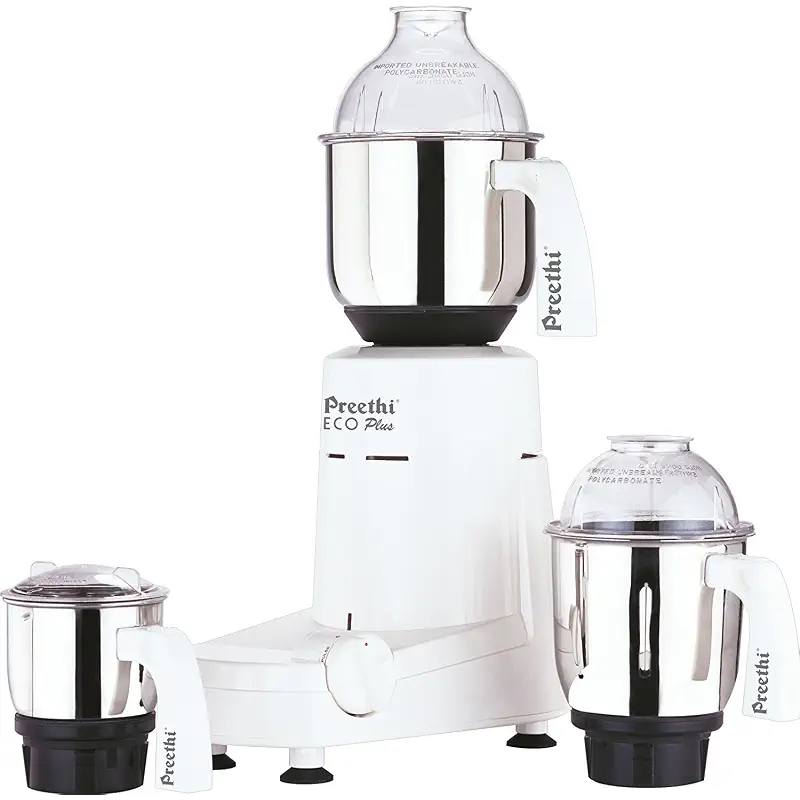
Ideal for: Home cooks making dosa, idli, and South Indian batters regularly. Indian households in US seeking familiar equipment.
The Preethi Eco Plus is purpose-built for dosa and idli batters, something most American blenders simply don't do well. Owners report that it produces fluffy, well-aerated batter (the hallmark of good dosas) and does so consistently over years of use. The three jars (1.5L, 1.0L, and 0.4L) let you scale recipes and dedicate one to wet grinding, another to dry spices. The stainless steel construction and machine-ground blades hold up to the friction of grinding soaked grains without overheating the batter, which matters because heat damages fermentation. One review mentioned using it daily for four months with excellent results on dosa and idli preparation.
The 550W motor is modest compared to what you'll find in American blenders, and several owners note you need to let it run longer (sometimes two or three minutes) to achieve the smoothest consistency. If you're accustomed to instant blending, this requires patience and a willingness to stand by the grinder. The lack of a safety latch on the lids means you should never blend with the lid unsecured, a minor but real ergonomic drawback. One owner reported a defective jar that left large chunks; warranty support appears inconsistent, so you're betting on getting a functional unit out of the box.
Where this beats the Ninja or NutriBullet systems is in batter texture and the fact that it's built for this exact job. If you make dosas weekly or more, this pays for itself in batter quality.
Pros
Three stainless steel jars for wet grinding and spice tasks
Optimized blade design for smooth, fluffy batter consistency
Durable construction lasting 10-15 years with regular use
Cons
Lower wattage requires longer grinding times than US-style blenders
No lid latch; requires careful handling during blending
Key features
550-watt motor with machine-ground stainless steel blades
Three stainless steel jars for wet, dry, and chutney grinding
Flow-breaker design for consistent batter aeration and texture
Rubber feet and nylon couplers reduce vibration and noise
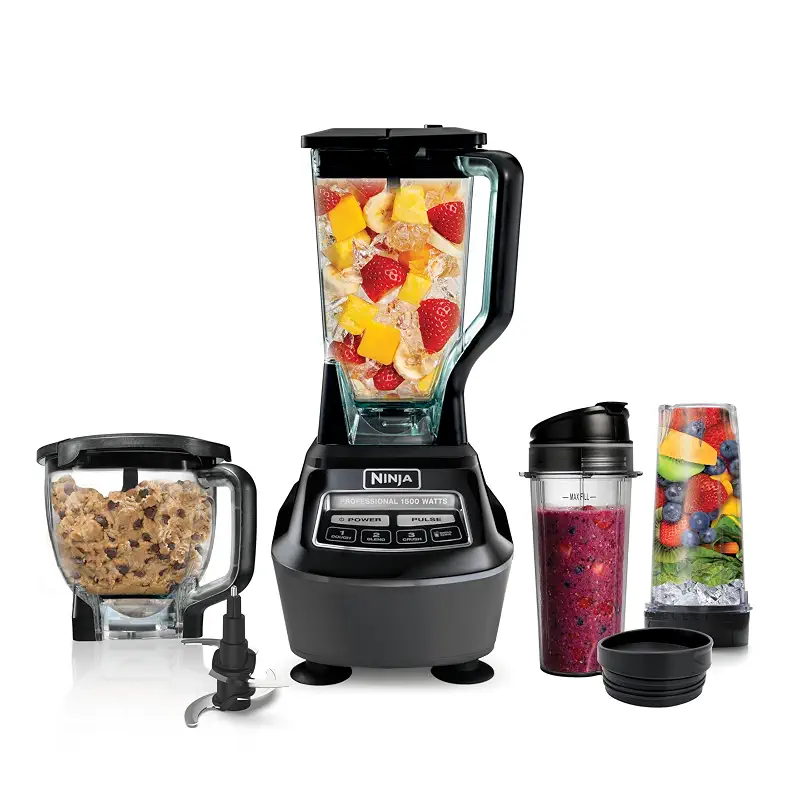
Powerhouse 1500W blender-processor combo with XL pitcher and food processor bowl; excellent for smoothies and salsas but oversized for dosa batter work.
Ideal for: Multi-purpose kitchen cooks who blend smoothies, crush ice, chop vegetables, and mix dough frequently.
The Ninja Mega is an American powerhouse: 1500W of pure force designed for crushing ice, frozen fruit, and handling large batches. It shines as an all-in-one kitchen system with separate blender and food processor functions, making it ideal if you want one appliance for everything from smoothies to salsa to dough mixing. Owners consistently praise its ability to blend tough ingredients in seconds and its sturdy, stable base that doesn't wobble even under aggressive blending.
For dosa batter specifically, this system is overkill and somewhat mismatched. The high-speed cutting action is optimized for ice and frozen fruit, not the slow, wet-grinding motion that produces proper dosa fermentation. You'll get a functional batter, but it will be hotter and less aerated than what a dedicated wet grinder produces. The 1500W motor will heat the batter faster, potentially damaging the fermentation culture if you're grinding in bulk. Additionally, owners report it's loud: genuinely loud enough that one reviewer joked a deceased relative heard it from across the street. If noise matters in your kitchen, this is a real downside.
Compared to the Preethi Eco Plus, the Ninja trades specialization for versatility. It's the right pick if you make smoothies and process vegetables daily but only make dosa batter occasionally.
Pros
1500W motor crushes ice and frozen ingredients in seconds
XL 72oz pitcher and 8-cup processor bowl handle large batches
Four unique blade types optimize performance across functions
Cons
Exceptionally loud operation, unsuitable for early mornings
High-speed design generates heat, not ideal for batter fermentation
Key features
1500-watt motor with Total Crushing Blades for ice and frozen fruit
72oz blender pitcher and 8-cup food processor bowl in one system
Four specialized blades: crushing, extractor, chopping, dough
Includes two 16oz single-serve cups with on-the-go lids
#3 Pick
Best for Dosa Batter with Preset Programs
Ninja
Ninja Professional Plus Kitchen System, 1400WP, Auto-iQ, Grey, BN801 | 5 functions for smoothies, chopping & dough with Auto-iQ. 72-oz blender pitcher, 64-oz processor, (2) 24-oz cups.
4.8(14,679)
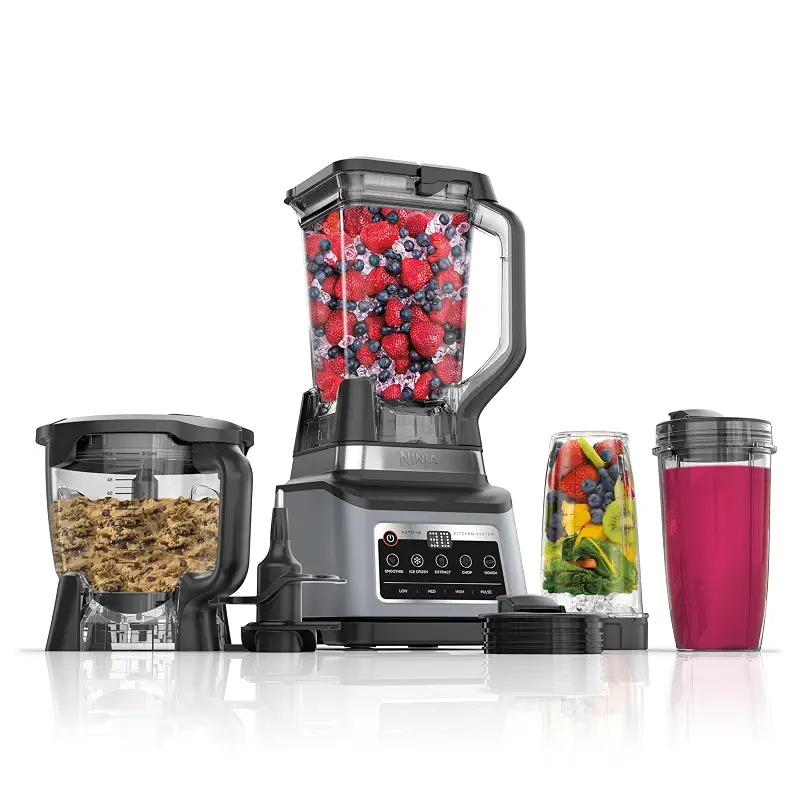
1400W Ninja system with Auto-iQ automation and dedicated nutrient-extraction mode; strong dough mixer and processor, quieter than Mega model.
Ideal for: Cooks who make dosa occasionally but want a system strong enough for Western blending and food processing.
The Ninja Professional Plus sits between the basic Preethi and the Mega: it has more power (1400W) and smarter programming than the Preethi, but fewer functions and less noise than the Mega. The Auto-iQ presets attempt to do the thinking for you, adjusting speed and pulse patterns based on the task. For dosa batter, the preset programs don't quite capture the nuance of traditional wet grinding; you're still relying on the motor's speed and heat generation rather than a true stone-grinding action.
Owners report it's quieter than the Mega and handles food processing tasks beautifully: one reviewer used it to make cheesecake filling and pasta sauce with excellent results. The dough blade and food processor function give it an edge over the Preethi for Western cooking tasks. However, several owners note the Auto-iQ programs can be rigid; if you want manual control over grinding duration and speed, you may find the presets limiting. The 1400W motor will still generate more heat than a dedicated wet grinder, and the blending action is still optimized for cutting rather than grinding.
Compared to the Preethi, this offers more versatility and preset convenience at the cost of batter specialization. Compared to the Mega, you get slightly less power but noticeably lower noise.
Pros
Auto-iQ programs simplify common blending and processing tasks
1400 peak watts with stacked-blade assembly for consistent results
Food processor bowl and dough blade excel at chopping and mixing
Cons
Preset programs reduce manual control over grinding time and speed
High-speed motor generates heat; not optimized for batter fermentation
Key features
1400 peak-watt motor with Total Crushing Blades and Auto-iQ technology
72oz blender pitcher and 64oz food processor bowl with precision chopping
Five preset functions: smoothies, frozen drinks, nutrient extraction, chopping, dough
Two 24oz single-serve cups with spout lids for on-the-go use
#4 Pick
Best Quieter Option for Smoothies and Small Batters
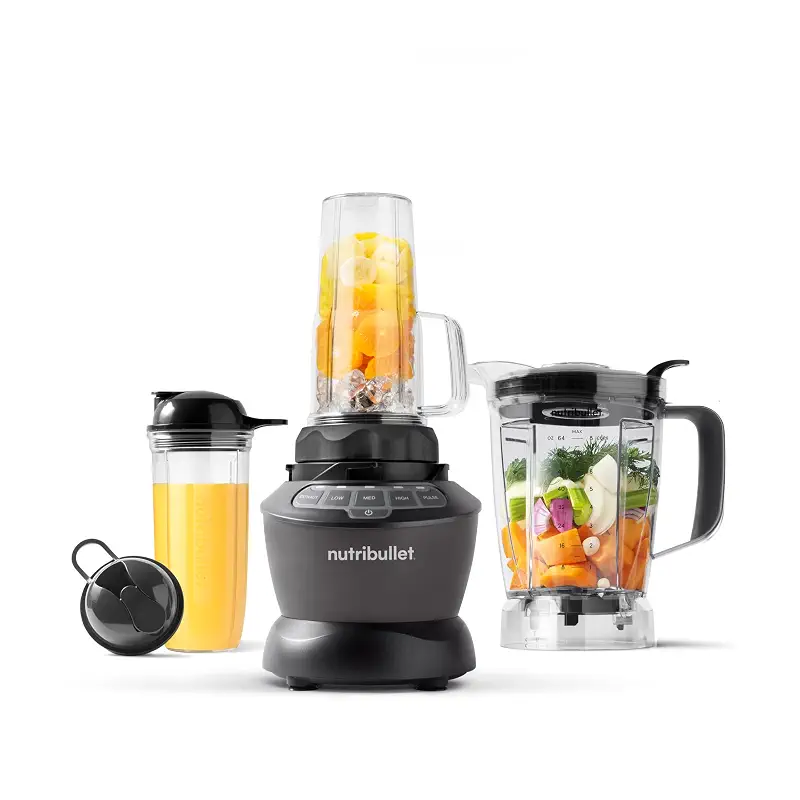
1200W blender with simple speed control, Extract program, and dual pitcher-plus-cup design; quieter than Ninja models, better for blending than dedicated wet grinding.
Ideal for: Quieter-kitchen cooks who blend smoothies and soups daily but make dosa batter infrequently.
The NutriBullet Full-Size is significantly quieter than the Ninja systems while maintaining respectable power at 1200W. It prioritizes simplicity (three speeds, a pulse, and an Extract function) over automated presets. Owners consistently praise its ability to blend smoothies smoothly and quickly, and several note it's the quietest powerful blender they've used. The dual-pitcher approach (64oz pitcher plus 32oz and 24oz single-serve cups) is more practical than the Ninja's approach for everyday blending.
For dosa batter, the NutriBullet occupies middle ground. It's more powerful than the Preethi but still not a true wet grinder; the motor will heat the batter more than you'd want for optimal fermentation. The Extract function is intended for nutrient extraction from whole vegetables, not dosa grinding. However, if you're making small batches of batter or prefer quieter operation, it handles the task adequately. One owner reported making kale soup that came out silky smooth, suggesting it can handle wet grinding tasks, though the design isn't optimized for it.
Unlike the Preethi or Ninja systems, the NutriBullet lacks a dedicated food processor bowl, limiting its use for chopping and dough work. Where it excels is in daily blending tasks (smoothies, nut butters, hot soups) with minimal fuss and noise compared to the Ninja Mega.
Pros
Quieter operation than Ninja models, suitable for morning use
1200 watts with simple three-speed control and pulse function
Dual pitcher system: 64oz for family, cups for single servings
Cons
No dedicated food processor bowl; limited dough and chopping capability
Extract program not optimized for dosa or traditional wet grinding
Key features
1200-watt motor with Easy-Twist Extractor Blade in stainless steel
64oz pitcher, 32oz handled cup, 24oz portable cup with lids
Three speeds, pulse function, and Extract preset for nutrient blending
High-performance BPA-free plastic pitcher and cups; dishwasher safe
#5 Pick
Best Dedicated Wet Grinder for Dosa Batter
Premier
Premier Small Wonder Table Top Wet Rice and Lentils Grinder 1.5 Liter,110 volts with coconut scrapper and atta kneader
4.5(1,598)
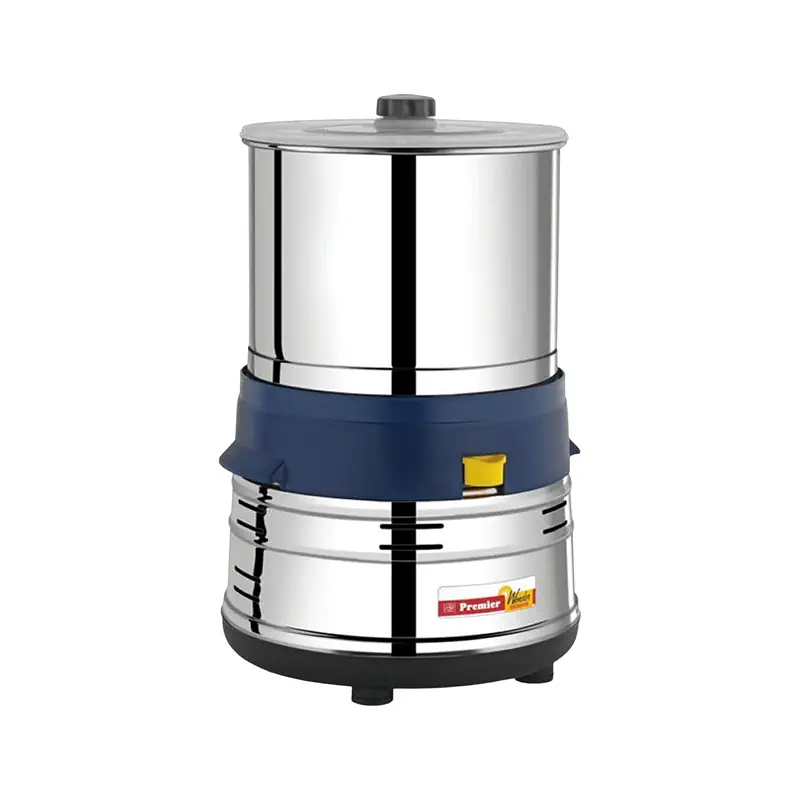
Traditional 200W stone wet grinder with 1.5L drum; purpose-built for dosa, idli, and South Indian batters with authentic grinding texture.
Ideal for: Dosa and idli enthusiasts committed to regular South Indian cooking; households prioritizing batter authenticity over multi-function convenience.
The Premier Small Wonder is a true wet grinder, not a blender, not a mixer grinder, but a stone drum-and-stone-pestle system designed specifically for dosa and idli batters. It operates at a leisurely 200W, grinding soaked rice and lentils against a stone surface in a way that aerates and cools the batter naturally. Owners report that batters made here turn out fluffy, properly fermented, and taste like home-cooked South Indian food.
This is the only option on this list that replicates traditional wet-grinding. The stone-on-stone action generates less heat than motorized blades, preserving the fermentation culture. The 1.5L drum size fits family batches of dosa batter perfectly. One owner used it for eight years grinding chocolate without issue; another reported making beautiful idli and dosa batter consistently after switching from a Vitamix. Setup requires some care: assembly isn't immediately intuitive, and disassembly for cleaning is more involved than a blender, but once you learn the rhythm, it becomes routine.
The trade-off is specialization. This grinder does dosa batter exceptionally well but won't crush ice, blend smoothies, or process vegetables. It's heavier and less portable than blenders. If you use a wet grinder versus blender comparison approach, you'll find this excels where American blenders fail. However, it won't replace your everyday blender for other tasks. The 200W motor also means grinding takes patience: longer than a high-power blender, but that slowness is actually a feature, not a bug, for batter quality.
Pros
Stone drum design produces authentic fluffy dosa and idli batter
Low heat generation preserves fermentation culture in batter
Compact, lightweight, and designed to fit standard kitchen sink
Cons
200W motor requires longer grinding time than electric blenders
Single-purpose tool; not suitable for smoothies, chopping, or other tasks
Key features
1.5-liter stainless steel drum with stone grinding surface and pestle
200-watt motor optimized for wet grinding rice and lentil batters
Includes coconut scraper and atta kneader attachments
Food-grade plastic components; lightweight and compact for small kitchens
How to Choose a Blender for Dosa Batter
Four trade-offs that actually matter when matching a blender for dosa batter in usa to your kitchen.
Understand Wet Grinding vs. High-Speed Blending
Traditional dosa batter requires grinding soaked rice and lentils into a smooth, aerated paste. High-speed American blenders (Ninja, NutriBullet) use cutting blades and generate heat, which can harm the fermentation culture and produce denser batter. A wet grinder versus blender comparison reveals that dedicated wet grinders and Indian mixer grinders use slower, friction-based grinding that keeps batter cool and fluffy. If dosa-making is your primary goal, prioritize tools designed for that task; if you blend smoothies daily and make dosa occasionally, accept that a versatile blender won't produce restaurant-quality batter.
Motor Power and Heat Generation
Blender wattage ranges from 200W (Premier wet grinder) to 1500W (Ninja Mega). Higher wattage heats batter faster, which is fine for smoothies but problematic for fermented batters. A 550W mixer grinder like the Preethi Eco Plus balances grinding power with moderate heat. If you choose a high-power blender, expect to run it briefly in short pulses rather than continuous grinding, and be prepared for batter that's warmer than traditional stone-ground versions. Consider your kitchen temperature too; grinding in a cool kitchen reduces heat buildup.
Jar Size and Material
Dosa batter batches for a family of four typically need 1–1.5 liters. The Preethi's three jars (1.5L, 1.0L, 0.4L) let you dedicate one to wet grinding; the Ninja and NutriBullet systems have larger pitchers but only one grinding surface. Stainless steel jars (Preethi, Premier) resist staining and odor better than plastic (Ninja, NutriBullet), an advantage when grinding spices and batters regularly. However, plastic is lighter and easier to handle. If you're grinding dosa batter in the same vessel as smoothies, stainless steel helps keep flavors separate.
Grinding dosa batter technique and Noise Level
High-power blenders (Ninja Mega at 1500W, Ninja Professional Plus at 1400W) are significantly louder than wet grinders and lower-wattage mixer grinders. If you prepare batter early mornings or in a small apartment, noise matters. The NutriBullet is notably quieter than Ninja models. The Premier wet grinder and Preethi mixer grinder are quiet enough for morning use. Test drive a blender in-store or read owner reviews about noise if early-morning grinding is part of your routine.
Maintenance, Durability, and Support
Mixer grinders and wet grinders designed for Indian kitchens (Preethi, Premier) are built for heavy use and last 10–15 years. American blenders (Ninja, NutriBullet) typically last 3–7 years with daily use. If you can source replacement parts easily, durability matters less. However, in the US, finding Preethi blades or Premier parts may require online ordering. Ninja and NutriBullet have better US service networks and warranty support, a trade-off for potentially shorter lifespan.
Frequently asked
Quick answers to the questions readers ask most.
Can I use a regular blender to make dosa batter?
Yes, but with caveats. American blenders work, but the high-speed cutting action heats the batter and produces a denser, less fluffy result than traditional wet grinding. You'll get functional dosa, but texture and fermentation quality suffer. For occasional batter-making, a powerful blender suffices; for frequent dosa cooking, a dedicated wet grinder or mixer grinder delivers superior results.
What's the difference between a mixer grinder and a wet grinder?
A mixer grinder (like Preethi) combines multiple jars and functions (wet grinding, dry grinding, and chopping) with a motorized blade. A wet grinder (like Premier) is single-purpose: a stone drum rotating against a stone pestle, optimized for grinding soaked grains into smooth, aerated batter. Wet grinders run cooler and produce lighter batter; mixer grinders are more versatile but less specialized.
How long does it take to grind dosa batter?
A dedicated wet grinder typically takes 20–40 minutes for a 1.5-liter batch, depending on grain quantity and desired fineness. A mixer grinder like Preethi takes 10–15 minutes but may require pausing to let the motor cool. High-power blenders finish in 2–3 minutes but generate more heat. Longer grinding times in wet grinders are normal and actually beneficial for batter texture.
Do I need a separate grinder if I already own a Ninja or NutriBullet?
Not necessarily. Both can grind dosa batter adequately, though the result won't match a wet grinder. If you make dosa weekly, a dedicated wet grinder or mixer grinder improves quality enough to justify the investment. If dosa-making is occasional, your existing blender works fine; just run it in short bursts to minimize heat and accept slightly denser batter.
Are Indian mixer grinders like Preethi safe to use on US electrical outlets?
Yes, if rated for 110-volt operation. The Preethi Eco Plus is specifically marked for USA/Canada use at 110 volts. However, some Indian appliances run on 220 volts and will be damaged or won't function on US power. Always verify voltage rating before purchasing. Never use a voltage converter as a workaround; it risks motor damage and safety hazards.